Trusted Veterinary Care for Your Large Animals & Farm Calls!
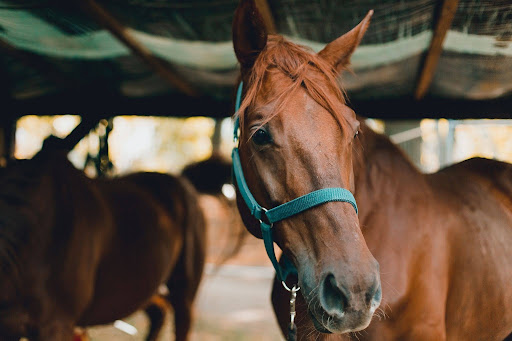
Managing a horse’s health involves much more than responding when something seems wrong. Regular examinations, monitoring changes in body condition, evaluating movement, reviewing nutrition, and discussing daily care can all contribute to long-term wellness. For horse owners, fitting these responsibilities into a busy schedule can sometimes be challenging.
Farm-call veterinary care offers a practical approach by allowing a veterinarian to evaluate horses in their familiar environment. Instead of transporting a horse to a clinic for every routine concern, the veterinarian can visit the farm and assess the horse where its normal habits, housing conditions, and daily surroundings can be observed.
For horse owners in Wewoka, farm calls for Horses can make routine health management more convenient while also giving the veterinarian useful information about the animal’s everyday environment. Wewoka Animal Hospital can help horse owners understand how on-site veterinary visits may fit into an ongoing horse health plan.
Why the Horse’s Environment Matters
A horse’s surroundings can provide useful context during a veterinary evaluation. The way a horse is housed, exercised, fed, and managed may influence its overall health.
During a farm call, the veterinarian can see the horse in its normal setting. This may make it easier to discuss details such as turnout arrangements, stall conditions, feeding routines, exercise schedules, and interactions with other horses.
These observations can complement the physical examination. Rather than considering the horse separately from its environment, the veterinarian can take a broader view of its daily routine.
Reducing the Stress of Transportation
Transporting a horse requires planning. The trailer must be prepared, the horse must be safely loaded, and sufficient time must be available for travel and unloading.
Some horses also become unsettled when traveling away from familiar surroundings. A farm visit can eliminate the need for transportation when an on-site evaluation is appropriate.
This can make routine veterinary appointments easier to coordinate, particularly for owners managing several horses. The veterinarian can visit the property and evaluate horses without requiring each animal to leave its normal environment.
Routine Examinations Can Fit More Easily Into Horse Management
Regular veterinary care is easier to maintain when appointments work with the owner’s routine.
Farm calls for Horses can allow routine examinations to take place at the property. This can be especially useful for owners with multiple horses, larger properties, or animals that are difficult to transport.
Instead of organizing transportation for every routine appointment, owners can discuss whether an on-site visit is appropriate for the type of care their horses require.
Consistency matters in horse health management. Regular examinations can provide opportunities to compare current findings with previous observations and identify changes over time.
Evaluating Body Condition in Context
Body condition is an important part of horse health management. A veterinarian may evaluate weight, muscle development, coat condition, and overall physical appearance during a routine examination.
A farm visit also provides an opportunity to discuss feeding practices and daily activity. The veterinarian can learn about the type of feed provided, feeding frequency, turnout, exercise, and other management details.
These factors can help put the horse’s physical condition into context. If a horse’s weight or muscle condition has changed, understanding its daily routine may help the veterinarian determine what additional information is needed.
Discussing Nutrition and Daily Feeding Habits
Nutrition is closely connected to routine horse care. Feeding plans can vary according to age, workload, body condition, and other individual factors.
During a farm call, owners can discuss what their horse eats, how meals are provided, how much forage is available, and whether the horse has experienced recent changes in appetite or eating behavior.
The veterinarian can consider these details alongside the physical examination. This creates an opportunity to review whether the current management routine continues to meet the horse’s needs.
Observing Movement and Activity
A horse’s normal movement can provide useful information. Owners may notice changes such as reluctance to move, altered performance, stiffness, or differences in how the horse handles familiar activities.
During an on-site visit, the veterinarian may be able to discuss the horse’s usual activity level and observe relevant movement when appropriate.
Because the horse remains in its familiar environment, owners can explain what they have noticed during normal turnout, exercise, or daily handling. These observations may help provide additional context for the veterinary evaluation.
Managing Multiple Horses More Efficiently
Horse owners responsible for several animals often have different health considerations for each horse. One horse may need a routine examination, while another may require closer monitoring of weight, movement, or another health concern.
A farm-call visit can make it possible to discuss several horses during a planned visit, depending on the services needed and the veterinarian’s recommendations.
This can simplify scheduling and reduce the need to organize separate transportation arrangements for each animal.
Keeping individual records is still important. Owners should maintain information about each horse’s previous examinations, health history, diet, activity, and other relevant observations.
Monitoring Older Horses at Home
Older horses may benefit from closer observation because their needs can change over time. Owners may notice changes in body condition, activity, eating habits, or general behavior.
A farm visit can provide an opportunity to discuss these changes while the horse remains at home. The veterinarian can consider the horse’s age, medical history, physical findings, and current management routine.
Regular monitoring can help owners recognize when a routine care plan may need to be adjusted as the horse’s needs evolve.
Farm Calls Can Support Better Communication
Veterinary care is not limited to the physical examination. Communication between the horse owner and veterinarian is also important.
When a veterinarian visits the farm, owners can discuss the horse’s daily routine in detail. Questions about feeding, exercise, housing, behavior, body condition, and general management can be addressed in the same setting where these routines occur.
This can make conversations more practical. Instead of describing the environment entirely from memory, owners can discuss specific aspects of the horse’s surroundings with the veterinarian present.
Preparing for a Farm Veterinary Visit
Owners can make a farm call more productive by preparing relevant information beforehand. Keep track of changes in appetite, weight, activity, behavior, movement, and general condition.
Have information about the horse’s current diet, exercise routine, medications, and previous veterinary care available. If multiple horses will be evaluated, organize notes for each animal separately.
It is also helpful to make a list of questions before the veterinarian arrives. This can ensure that important concerns are discussed during the appointment.
Farm Calls for Horses in Wewoka
For horse owners in Wewoka, farm calls for Horses can provide a convenient way to incorporate veterinary care into regular horse management. An on-site visit allows the veterinarian to evaluate the horse while also gaining insight into its daily environment and routine.
Wewoka Animal Hospital can help horse owners discuss appropriate veterinary care based on each horse’s individual circumstances. Whether the goal is routine monitoring, evaluating a change, or discussing ongoing management, a farm-based appointment can provide useful context for the veterinary assessment.
Schedule a Farm Veterinary Appointment
If you are looking for a convenient way to manage your horse’s routine veterinary needs, contact Wewoka Animal Hospital to discuss a farm visit. Schedule an appointment and talk with the veterinary team about your horse’s health, daily routine, nutrition, activity, and ongoing care needs.
Frequently Asked Questions
Q1. What are farm calls for Horses?
Ans: Farm calls for Horses involve a veterinarian visiting the property where the horse is housed. This allows the veterinarian to evaluate the horse in its familiar environment and discuss its daily management routine.
Q2. Can farm calls be useful for routine horse examinations?
Ans: Yes. Depending on the services offered and the horse’s individual needs, farm visits can be used for routine examinations and discussions about nutrition, activity, body condition, and general health management.
Q3. Do farm calls eliminate the need to transport a horse?
Ans: For services that can be appropriately provided on the property, a farm call can avoid the need to transport the horse to a clinic. Your veterinarian can advise whether an on-site visit is suitable for the care required.
Q4. What information should I prepare for a horse farm visit?
Ans: Prepare information about your horse’s diet, exercise, activity, medications, previous veterinary care, appetite, body condition, and any recent changes you have noticed.
Q5. Can a veterinarian evaluate several horses during one farm visit?
Ans: Depending on the veterinarian’s schedule and the services required, multiple horses may be evaluated during a planned farm visit. Discuss the number of horses and their individual needs when scheduling.