Trusted Veterinary Care for Your Large Animals & Farm Calls!

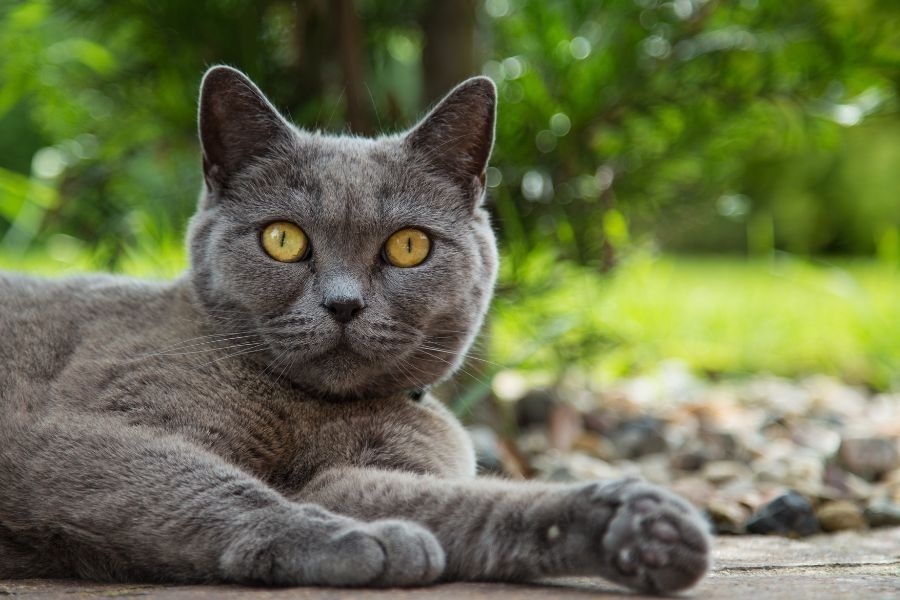
Why Senior Cats May Lose Weight Despite Eating Normally
By Wewoka Animal Hospital | October 22, 2026
Your older cat cleans her bowl every day, yet you can feel her ribs and hips more than you used to. Unexplained weight loss is one of the most important warning signs in senior cat care, and it should never be brushed off as old age. For cat owners in Wewoka, knowing why this happens and when to act can
Read More

Halloween Pet Poison Prevention for Rural Homes and Farms
By Wewoka Animal Hospital | October 13, 2026
Halloween can be an exciting season for families in Wewoka, especially those who enjoy decorating their homes, welcoming trick-or-treaters, and spending time outdoors with their pets. However, rural homes and farms can present unique seasonal hazards. Candy wrappers, spilled drinks, rodent control products, garden chemicals, and unsecured storage areas may expose curious animals to harmful substances. For families searching for
Read More
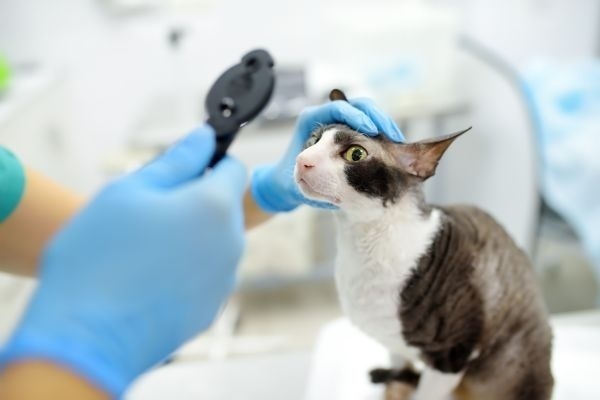
Cloudy Eyes in Dogs and Cats: When Should Pet Owners Seek Veterinary Care?
By Wewoka Animal Hospital | October 5, 2026
Clear, expressive eyes reflect a pet’s inner energy, vitality, and health. When a companion animal looks back at you with a foggy film, a milky surface haze, or a bluish cast across their eyes, it naturally raises concern. Spotting unexpected ocular changes early is critical because haze across the eye surface can signal evolving issues within the cornea, lens, or
Read More
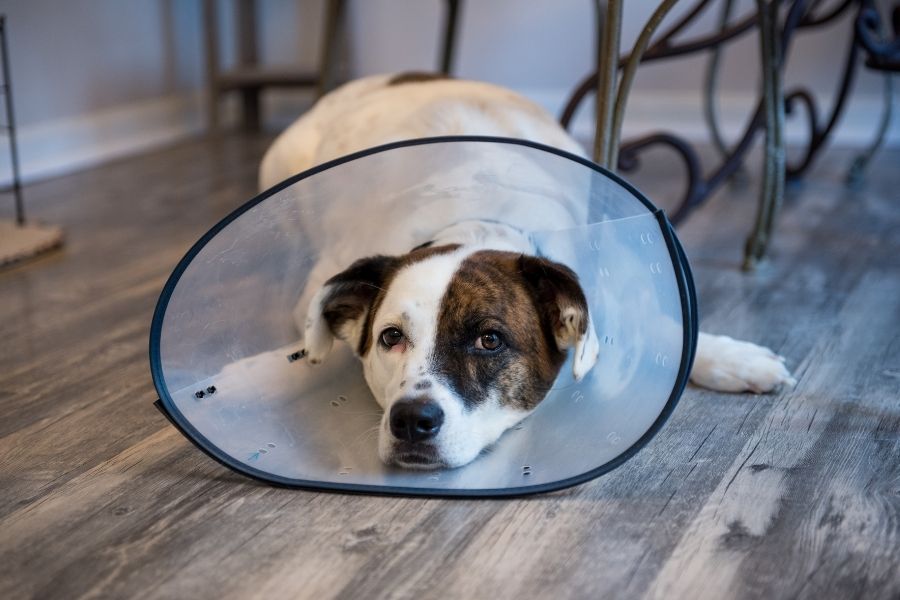
How Existing Health Conditions Can Affect a Pet’s Surgical Approach
By Wewoka Animal Hospital | September 25, 2026
When a pet needs surgery, the procedure itself is only one part of the planning process. A veterinarian must also consider the pet’s overall health before deciding how the surgery should be approached. Existing health conditions can affect preparation, anesthesia considerations, monitoring, the surgical technique, and recovery. Two pets may need similar procedures but receive different surgical plans because their
Read More
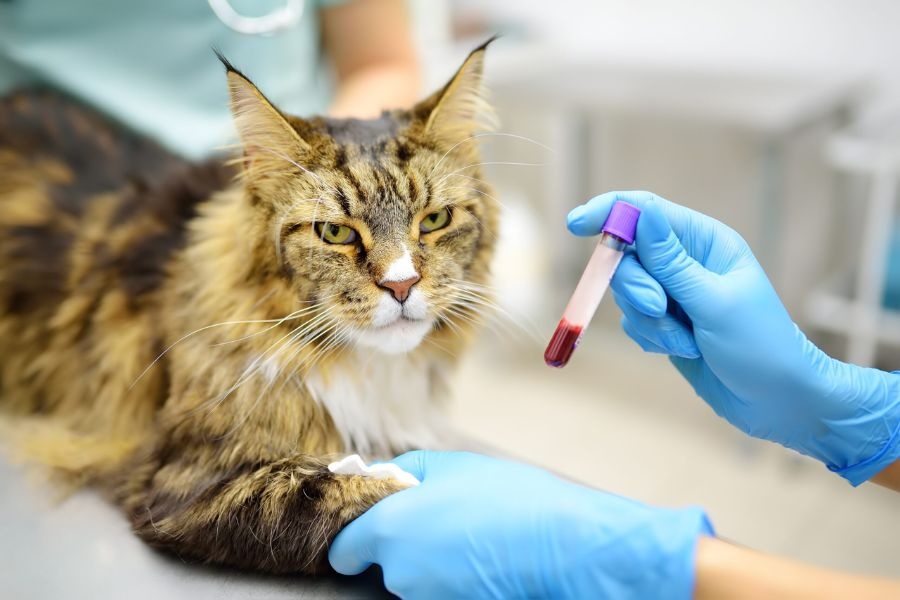
Why Some Pet Health Problems Require Both Bloodwork and Imaging
By Wewoka Animal Hospital | September 18, 2026
When a pet is not feeling well, the signs you notice at home may only tell part of the story. Changes in appetite, energy, weight, bathroom habits, breathing, or behavior can have many possible causes. Because different conditions can produce similar symptoms, veterinarians may need more than one type of diagnostic information to understand what is happening. Two commonly used
Read More
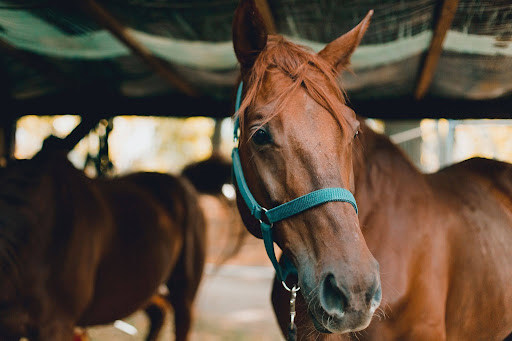
How Farm-Call Veterinary Care Can Make Routine Horse Health Management Easier
By Wewoka Animal Hospital | September 10, 2026
Managing a horse’s health involves much more than responding when something seems wrong. Regular examinations, monitoring changes in body condition, evaluating movement, reviewing nutrition, and discussing daily care can all contribute to long-term wellness. For horse owners, fitting these responsibilities into a busy schedule can sometimes be challenging. Farm-call veterinary care offers a practical approach by allowing a veterinarian to
Read More

How Veterinarians Assess Pain During an Urgent Vet Care Examination
By Wewoka Animal Hospital | September 3, 2026
When a companion animal suffers from a sudden injury, acute joint strain, or internal discomfort, communicating that suffering isn’t straightforward. Because animals instinctively mask physical weakness to protect themselves, identifying the exact source and severity of discomfort requires a trained clinical eye. During an unscheduled visit, veterinary professionals combine detailed physical observation, gentle touch, and physiological measurements to evaluate physical
Read More
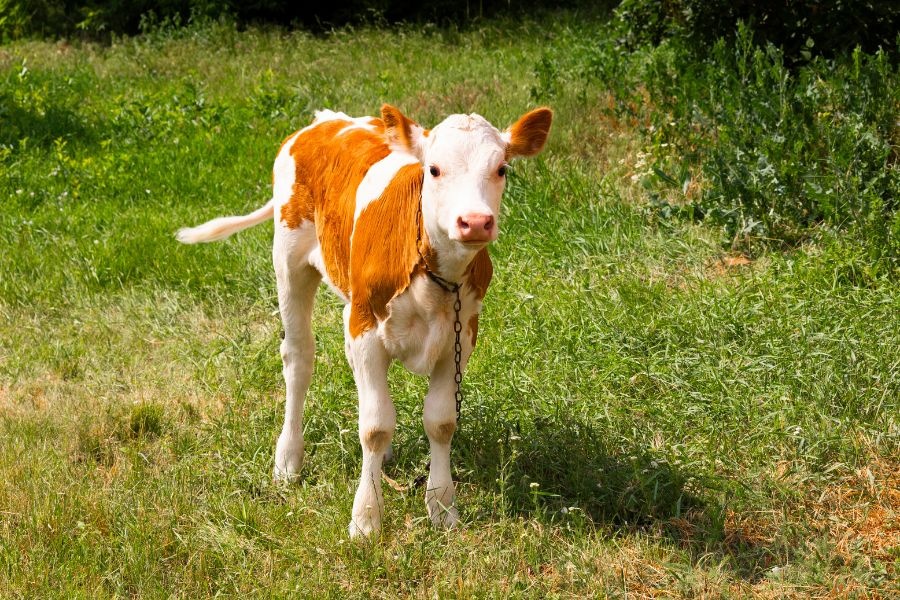
How Better Breeding Timing Can Support More Efficient Livestock Management
By Wewoka Animal Hospital | August 27, 2026
Livestock producers know that reproductive performance can influence nearly every part of herd management. When breeding is poorly timed, producers may face extended calving intervals, uneven groups of young animals, additional labor, and less predictable production schedules. When breeding decisions are planned around the reproductive status of each animal, herd operations can become more organized and efficient. For cattle producers
Read More

Protecting Your Dogs and Cats From Regional Parasites and Wildlife
By Wewoka Animal Hospital | August 19, 2026
Living in a rural community comes with plenty of benefits for pets. Dogs can enjoy open spaces, longer walks, and outdoor adventures. Cats may have opportunities to explore yards, barns, gardens, and surrounding areas. However, rural living also creates more opportunities for contact with parasites and wildlife. For local pet owners, strong pet wellness care means looking beyond routine visits.
Read More
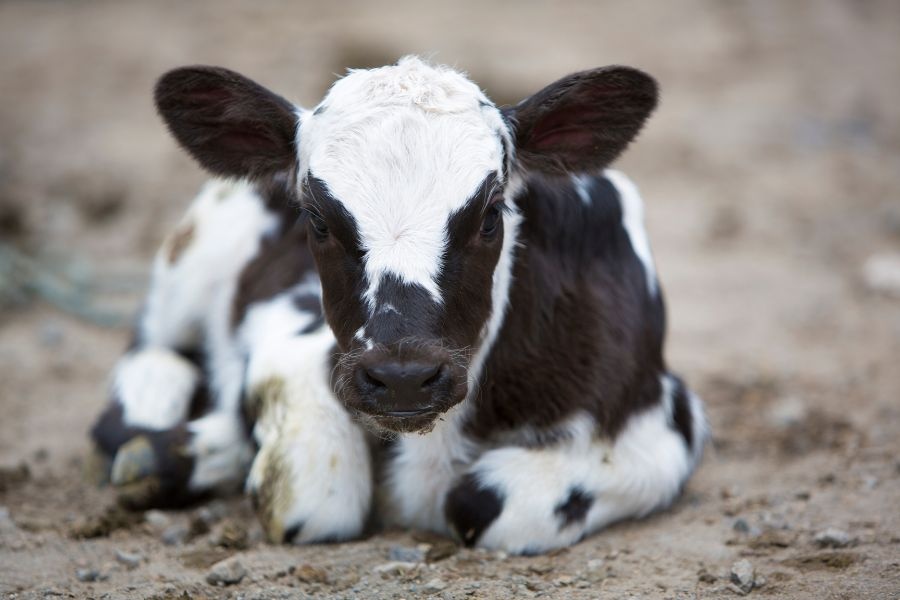
When to Schedule an On Farm Herd Health Examination
By Wewoka Animal Hospital | August 13, 2026
Managing a large animal herd requires more than responding when an individual animal becomes sick. Regular herd health examinations help identify developing problems, evaluate the condition of multiple animals, and create a practical plan for maintaining productivity and animal well being. For farmers in rural communities, mobile veterinary care can make this process more efficient. Large animal farm calls in
Read More