Trusted Veterinary Care for Your Large Animals & Farm Calls!

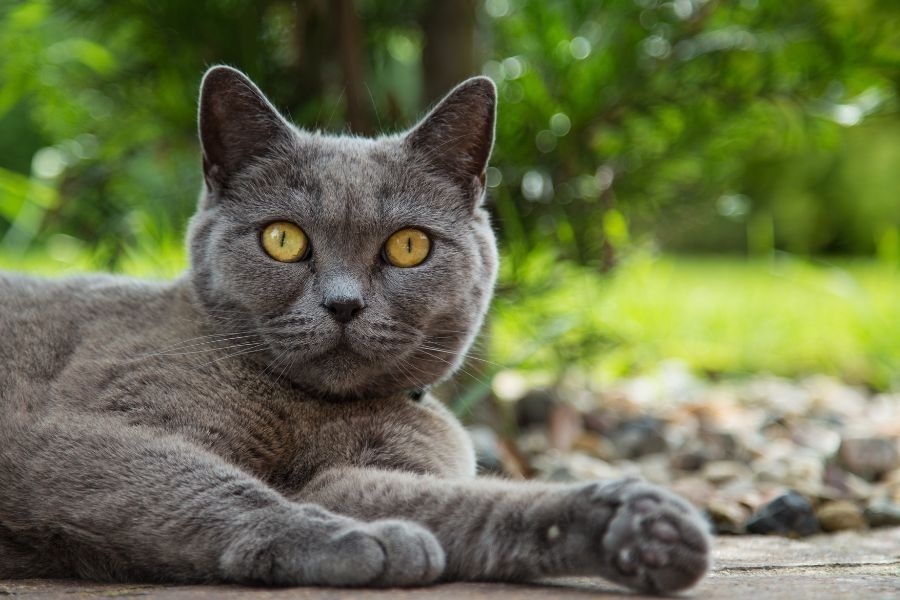
Your older cat cleans her bowl every day, yet you can feel her ribs and hips more than you used to. Unexplained weight loss is one of the most important warning signs in senior cat care, and it should never be brushed off as old age. For cat owners in Wewoka, knowing why this happens and when to act can make a real difference to your cat’s comfort and lifespan.
When a Healthy Appetite Doesn’t Mean a Healthy Weight
It seems logical that a cat who eats well should keep her weight. In reality, weight depends on what the body does with food, not just how much goes in. When something interferes with digestion, absorption, or metabolism, a cat can eat a full bowl and still lose ground.
Appetite itself can be misleading. Some conditions, like hyperthyroidism and diabetes, actually increase hunger, so an eager eater may be sicker than a picky one.
Older cats are also prone to losing muscle, which can happen even when body fat stays the same. Because cats have thick fur and tend to hide discomfort, this loss often goes unnoticed until it is well along. By then, a cat may have been struggling for months.
Size makes a difference too. A single pound is a small amount to most people, but for a ten-pound cat it is ten percent of her body weight. Normal aging can cause slight changes, but it doesn’t usually cause ongoing weight loss in a cat who is eating well. If the scale keeps trending down, something else is likely going on.
Common Medical Causes Behind the Weight Loss
Several conditions can cause weight loss despite a normal or even increased appetite. The most common include:
- Hyperthyroidism: An overactive thyroid speeds up metabolism, so a cat burns calories faster than she can eat them. Many affected cats are hungry, restless, and thirsty.
- Diabetes: Without enough working insulin, the body can’t use sugar well and starts breaking down fat and muscle instead.
- Kidney disease: Very common in older cats, it can cause nausea, dehydration, and gradual muscle loss.
- Dental disease: A painful mouth may lead a cat to drop food or swallow it whole, so she takes in less than she seems to.
- Intestinal disease: Problems like inflammatory bowel disease or parasites can prevent nutrients from being absorbed.
Cancer and heart disease can also play a role. Older cats often have more than one condition at the same time, such as kidney disease alongside an overactive thyroid, which makes the picture even harder to read.
The reassuring news is that many of these conditions respond well to treatment, especially when found early. The difficulty is that they look so similar from the outside. Increased thirst, vomiting, and weight loss can come from several different causes, which is why guessing at home rarely works.
Spotting Changes Before They Become Serious
Weight loss is slow, so it helps to measure it. Tracking weight is one of the simplest parts of senior cat care you can do at home. Weigh your cat monthly by stepping on a home scale with and without her, or use a baby scale, and write the number down. A side photo every month or two can also reveal changes that daily life hides.
Gently feel along her spine, ribs, and hips. If the bones feel sharper than they did before, she may be losing muscle even if her belly looks the same. Hands-on checks tell you far more than a quick glance, since fur can hide thinning.
Other signs often travel with weight loss:
- Drinking or urinating more than usual
- Vomiting, diarrhea, or changes in stool
- A greasy, matted, or unkempt coat
- Bad breath, drooling, or dropping food
- Hiding, restlessness, or yowling at night
- Eating far more, or far less, than before
Keep notes about when changes began and how they’ve progressed, and record short videos of unusual behavior. These details help your veterinarian choose the right tests sooner. Call promptly if your cat stops eating for a day, has trouble breathing, or seems very weak, since cats can become seriously ill quickly.
Senior Cat Care at Home and in the Clinic
Because so many conditions can cause weight loss, testing is the only reliable way to find the answer. A senior exam usually starts with weight, body and muscle condition, teeth, heart, thyroid area, and abdomen. Your veterinarian will likely recommend bloodwork and a urinalysis to screen for thyroid disease, diabetes, and kidney problems, along with a blood pressure check. Depending on the findings, X-rays, an ultrasound, or a fecal test may follow.
Once the cause is known, treatment may involve medication, a prescription diet, dental care, or fluids. Rechecks let your veterinarian adjust the plan as your cat’s needs change. If you’re looking for a veterinarian for an older cat, choose a clinic that explains test results clearly and builds a plan around your cat rather than a generic checklist.
At home, small habits help. Feed measured meals at regular times, keep fresh water in several spots, and offer a warm, quiet place to eat. Some cats need more calories or more digestible protein, but avoid changing her diet before talking with your veterinarian. Wide, shallow bowls and easy access to the litter box can also reduce stress.
Most veterinarians recommend senior wellness exams about every six months. A lot can change in half a year for an older cat, and regular visits create a baseline that makes small shifts easier to spot.
Conclusion: Don’t Wait to Ask About Weight Changes
A cat who loses weight while eating normally is telling you something is wrong. Weight loss is rarely just age, and early answers often mean more treatment options and more comfortable years. Tracking her weight, noting small changes, and keeping up with exams are the foundation of good senior cat care.
If you’ve noticed your older cat getting thinner, the team at Wewoka Animal Hospital in Wewoka is ready to help. With a thorough exam and the right testing, we can uncover what’s behind the weight loss and create a plan to keep her feeling her best. Trust your instincts, because you know your cat better than anyone.
At Wewoka Animal Hospital in Wewoka, we are committed to helping senior cats stay healthy, comfortable, and strong. Schedule your cat’s visit today and give your pet the care they deserve.
Frequently Asked Questions
Q1. How much weight loss should worry me in a senior cat?
Ans: Any unexplained loss deserves attention, even a few ounces over several weeks. A drop of about ten percent of body weight is considered significant. If you see a downward trend, schedule an exam rather than waiting.
Q2. Should I switch to a higher-calorie food if my cat is losing weight?
Ans: It’s best to find the cause first. Some conditions, like kidney disease, call for specific diets, and extra calories won’t fix an underlying problem. Your veterinarian can recommend the right food once the diagnosis is clear.
Q3. How often should a senior cat have bloodwork?
Ans: Many veterinarians recommend bloodwork at least once a year for senior cats, and often every six months for cats with health changes or chronic conditions. Regular testing can catch problems before symptoms become obvious.
Q4. Where can I find senior cat care in Wewoka?
Ans: Look for a local clinic that offers senior wellness exams, laboratory testing, and imaging, and that takes time to explain results. Ask what screening is included and how often your cat should be rechecked.
Q5. Can stress cause a senior cat to lose weight?
Ans: Stress can reduce appetite and change eating habits, but it shouldn’t be assumed to be the cause. Because medical conditions are so common in older cats, a veterinary exam is important before attributing weight loss to stress.