Trusted Veterinary Care for Your Large Animals & Farm Calls!

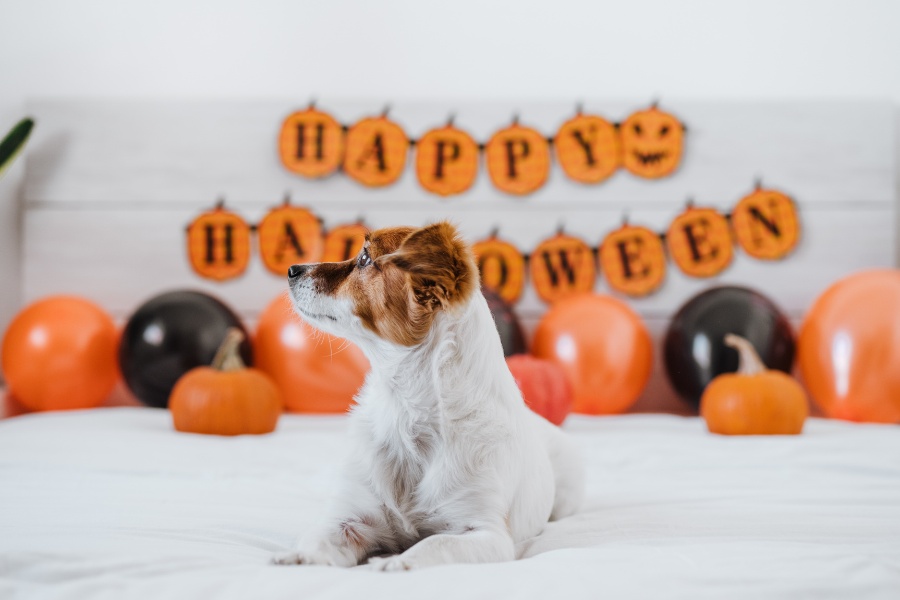
Halloween can be an exciting season for families in Wewoka, especially those who enjoy decorating their homes, welcoming trick-or-treaters, and spending time outdoors with their pets. However, rural homes and farms can present unique seasonal hazards. Candy wrappers, spilled drinks, rodent control products, garden chemicals, and unsecured storage areas may expose curious animals to harmful substances.
For families searching for vets near me, understanding Halloween Pet Poison risks is an important step toward protecting dogs and cats during fall celebrations. At Wewoka Animal Hospital in Wewoka, pet owners can benefit from learning how to identify common hazards and take preventive measures before Halloween activities begin.
Why Rural Homes and Farms Need Extra Halloween Precautions
Pets living in rural environments may have access to barns, sheds, workshops, gardens, garages, and open outdoor areas. While these spaces offer room to explore, they may also contain chemicals, discarded packaging, pest control products, and other materials that animals should never ingest.
Halloween adds another layer of risk. Candy may be dropped along walkways, food scraps can collect near outdoor gathering areas, and visitors may leave bags or treats where pets can reach them. Dogs may investigate interesting smells, while cats may explore storage spaces or crawl into secluded areas.
A practical prevention plan should consider the entire property rather than just the kitchen or living room. Inspect areas where pets roam, secure hazardous materials, and identify places where food or potentially toxic products could be left unattended.
Keep Halloween Candy and Treats Away From Pets
Candy is one of the most recognizable Halloween hazards for pets. Chocolate bars, caramel sweets, chewing gum, and sugar-free treats can contain ingredients that are dangerous to dogs and cats. Even treats that seem harmless may cause digestive problems when eaten in large quantities.
Chocolate contains theobromine and caffeine, which pets process differently from humans. Dark chocolate, baking chocolate, and cocoa powder generally contain higher concentrations of these compounds than milk chocolate. Depending on the amount consumed and the pet’s size, chocolate may cause vomiting, restlessness, an elevated heart rate, tremors, or other serious effects.
Sugar-free gum and certain candies may contain xylitol, a sweetener that can cause a dangerous drop in blood sugar in dogs and may also damage the liver. Read ingredient labels carefully and keep candy bowls, treat bags, and dessert containers inside closed cabinets.
On rural properties, check porches, outdoor seating areas, driveways, and walkways after Halloween activities. Candy dropped outside can remain unnoticed until a pet discovers it. Dispose of wrappers and leftover treats in secure, covered trash containers.
Secure Barns, Sheds, and Chemical Storage Areas
Barns and sheds often contain products used for routine property maintenance. Fertilizers, pesticides, herbicides, cleaning solutions, fuels, paints, and automotive fluids can all pose risks if pets lick, chew, or swallow them.
Halloween decorations and increased outdoor activity may lead family members to open storage areas more frequently. A door left ajar or a container placed on the floor can create an opportunity for accidental exposure.
Store chemicals in their original, clearly labeled containers and follow the manufacturer’s storage instructions. Keep them in locked cabinets or secured areas that animals cannot access. Never transfer chemicals into food or drink containers, as this can lead to dangerous mix-ups.
Clean spills promptly using the product label’s safety instructions, and keep pets away from treated areas until it is safe for them to return. Do not allow dogs or cats to investigate open containers, damp chemical residues, or discarded packaging.
Be Cautious With Rodent Control Products and Other Poisons
Rodent control products may be used around barns, feed storage areas, garages, and outbuildings. These products can be hazardous to pets, and some can cause severe internal complications. Dogs may eat bait directly, while cats may encounter contaminated rodents or access areas where products have been placed.
Keep pest control products in secure locations and follow label instructions exactly. Avoid placing bait where pets can reach it, and never leave loose products in feed rooms, animal enclosures, or outdoor work areas. If professional pest control services are used, inform the provider that pets live on the property and ask about appropriate precautions.
Other hazards may include insecticides, slug or snail control products, and chemicals used to maintain gardens or equipment. Do not assume a product is safe simply because it is intended for use around a home or farm.
Keep product packaging accessible for reference so you can identify the ingredients if an exposure occurs. This information can help a veterinary professional determine what action may be needed.
Watch Out for Toxic Plants, Mushrooms, and Compost
Autumn weather can bring fallen leaves, damp ground, and new mushroom growth around yards, pastures, and wooded areas. Some mushrooms are poisonous, and it can be difficult to distinguish hazardous varieties from harmless ones based on appearance alone.
Pets that explore unattended outdoor areas may chew plants, investigate mushrooms, or dig through decomposing garden material. Compost piles can also contain spoiled food, moldy scraps, and discarded items that should not be eaten.
Walk around the areas where your pets spend time and remove mushrooms when it is safe to do so. Keep dogs away from compost piles and discourage them from eating unfamiliar plants or materials found outdoors. Supervise outdoor exploration, especially when visibility is limited in the evening.
If you find an unfamiliar plant or mushroom in an area your pet frequently explores, take a photograph for possible identification. Avoid allowing pets to chew or eat unknown growth, and contact your veterinarian if you believe ingestion has occurred.
Protect Pets From Antifreeze and Automotive Products
Cooler fall weather can mean more vehicle maintenance, equipment preparation, and repairs around rural properties. These activities may introduce automotive products into garages, driveways, workshops, and farm buildings.
Antifreeze containing ethylene glycol is particularly dangerous to dogs and cats. Even a small amount can cause serious poisoning, and early signs may be subtle. Other automotive fluids, fuels, oils, and cleaning products can also harm pets through ingestion or contact.
Store automotive products in tightly closed containers and clean up leaks immediately. Inspect vehicles, tractors, and other equipment for drips before allowing pets to explore the surrounding area. Keep animals out of workshops while repairs or chemical handling are underway.
Never leave a container open while working, even for a short time. Make checking for leaks and securely storing automotive products part of your regular property maintenance routine.
Make Halloween Decorations and Outdoor Areas Safer
Halloween decorations can introduce additional hazards around rural homes. Glow sticks, decorative liquids, batteries, electrical cords, fake cobwebs, and small plastic ornaments may attract curious pets. Chewing or swallowing these items can cause irritation, choking, or digestive obstruction.
Place decorations where pets cannot reach them, secure electrical cords, and avoid using small objects in areas where animals play. Check outdoor decorations regularly for damaged components or exposed wires.
If you host visitors or set up a trick-or-treat station, consider keeping pets in a secure, familiar area away from the entrance. Frequent door opening may allow an animal to slip outside, while excited visitors may accidentally drop candy or leave bags within reach.
For farm households, inspect gates and fencing before Halloween evening. Make sure companion animals cannot wander toward roads, unfamiliar visitors, or areas where hazardous materials are stored. A calm indoor space with fresh water, bedding, and familiar toys can help pets feel more comfortable.
Recognize Signs That Your Pet May Need Help
The signs of toxic exposure vary depending on the substance, amount consumed, and animal involved. Possible warning signs include vomiting, diarrhea, excessive drooling, unusual tiredness, weakness, loss of coordination, tremors, seizures, and changes in breathing.
Some substances cause delayed symptoms, so a pet that initially appears normal may still need prompt assessment after a known or suspected exposure. The safest approach is to contact a veterinarian when you suspect ingestion rather than relying on symptoms to judge the level of risk.
If exposure occurs, gather the product packaging or ingredient list, estimate the amount involved, and note when the incident may have happened. Share these details with the veterinary team to help them assess the situation.
Avoid administering human medication, using home remedies, or inducing vomiting unless a veterinary professional specifically instructs you to do so. If your pet collapses, has seizures, or experiences difficulty breathing, seek immediate veterinary attention.
Protect Your Pets With Guidance From Wewoka Animal Hospital
Halloween Pet Poison prevention starts with a careful look at your property’s everyday hazards. Keep candy secured, lock away farm chemicals, store rodent control products safely, check outdoor areas for mushrooms and discarded items, and supervise pets during seasonal celebrations.
If you are concerned about a possible exposure or want guidance on keeping your companion safe, contact Wewoka Animal Hospital in Wewoka. Visit the hospital’s website or call the team at 405-257-6167 to ask about available veterinary services and appointment options. Preparing ahead can help protect your pets while your family enjoys a safer Halloween.
Frequently Asked Questions
Q1. What Halloween poisons are most common around rural homes and farms?
Ans: Common hazards include chocolate, xylitol-containing candy, rodent control products, pesticides, fertilizers, antifreeze, toxic mushrooms, and certain cleaning products. Secure storage and supervision help reduce accidental exposure.
Q2. Can a farm cat be poisoned by eating a rodent that consumed bait?
Ans: Yes. Some rodent control products can expose cats and dogs through direct contact with bait or by eating a poisoned rodent. Contact a veterinarian if you suspect exposure and provide details about the product if available.
Q3. How can I make my barn safer for pets during Halloween?
Ans: Store chemicals and pest control products in locked areas, secure feed and trash containers, clean spills promptly, and prevent pets from entering workspaces where hazardous products are being used.
Q4. Are wild mushrooms in my yard dangerous to dogs?
Ans: Some wild mushrooms are toxic, and hazardous varieties can be difficult to identify by appearance. Prevent pets from eating them and contact a veterinarian if ingestion is suspected.
Q5. What information should I provide if my pet may have swallowed a toxic substance?
Ans: Share the product name, ingredient list, estimated amount consumed, time of exposure, and any symptoms you have noticed. This information helps the veterinary team determine appropriate next steps.