Trusted Veterinary Care for Your Large Animals & Farm Calls!

Sharing your home with a dog or cat brings immense joy, unconditional loyalty, and comforting companionship. Whether your pet greets you enthusiastically at the door after a long day or curls up quietly beside you on the couch, they quickly become an irreplaceable part of your family. As devoted pet parents, we naturally want to provide the highest standard of care to ensure our companions enjoy long, vibrant lives. While routine wellness visits and proper nutrition form the foundation of health, there may come a time when your pet requires a surgical procedure, whether for a routine soft tissue operation, a dental extraction, or an orthopedic repair.
For many owners, the mere thought of an upcoming operation induces understandable anxiety, with anesthesia safety standing out as the number one concern. Demystifying the surgical process, from pre-anesthetic blood evaluations to attentive monitoring protocols, helps alleviate worry and builds complete confidence in your veterinary team. Here at Wewoka Animal Hospital in Wewoka, our veterinary professionals prioritize transparent communication and advanced safety protocols for every veterinary surgery we perform. Let us walk you through what you can expect when your companion enters our surgical suite.
Preparing for Surgery: Comprehensive Pre-Anesthetic Testing
Preparation begins long before your pet ever enters the operating room. When a veterinarian recommends vet surgery anesthesia risks for dogs and cats are naturally top of mind for caring owners. To minimize these risks completely, the journey starts with a thorough physical examination and pre-anesthetic diagnostic testing designed to ensure your pet is healthy enough to undergo a procedure safely.
Prior to the operation, your veterinary team typically runs comprehensive blood work to evaluate internal organ function, check red and white blood cell counts, and verify electrolyte levels. This step ensures there are no hidden conditions, such as early kidney or liver strain, that could complicate anesthesia. You will also receive clear instructions regarding fasting guidelines, usually requiring you to withhold food for several hours prior to the procedure while keeping water available overnight. Arriving at the clinic for drop-off involves a brief check-in where technicians review your pet’s medical history and settle your companion into a calm pre-surgical holding area.
Inside the Operating Suite: Tailored Anesthesia Protocols
Once your pet is settled, the actual procedure begins under the careful supervision of a trained veterinary team utilizing strict veterinary surgical safety protocols Wewoka. Modern veterinary medicine places an extraordinary emphasis on patient safety, customized dosing, and continuous physiological tracking throughout every operation.
Before anesthesia is induced, a customized protocol is calculated based strictly on your pet’s species, age, weight, and general health status rather than a generalized formula. Once your pet falls into a gentle, controlled sleep, dedicated veterinary technicians manage the anesthetic depth carefully. Pain management is integrated into every phase of the procedure, with medications administered before, during, and after the operation to ensure your pet remains completely comfortable and pain-free.
Advanced Monitoring: Tracking Vital Signs in Real Time
Safe safe pet anesthesia monitoring requires vigilance, experience, and sophisticated technology. Throughout every operation, dedicated veterinary technicians monitor your pet’s vital signs continuously using advanced electronic equipment, ensuring immediate response to any subtle physiological shifts.
Core monitoring parameters tracked throughout the operation include:
- Heart Rate and Rhythm: Ensuring the heart maintains a steady, safe rhythm via continuous electrocardiogram tracking.
- Blood Oxygen Saturation: Measuring oxygen levels in the bloodstream via pulse oximetry to verify proper respiratory function.
- Blood Pressure: Monitoring circulation and cardiovascular stability continuously throughout the procedure.
- Body Temperature: Utilizing specialized warming blankets and thermal supports to maintain optimal core temperature during surgery.
Ensuring a Smooth Recovery at Home
The final phase of surgical care takes place in the comfort of your own home following professional pet hospital surgical care. Your dedication and adherence to post-operative guidelines play a massive role in ensuring a rapid, complication-free healing process for your dog or cat.
To help your pet recover successfully at home, keep these key practices in mind:
- Create a Quiet Rest Zone: Set up a comfortable, draft-free crate or isolated room away from boisterous children and other household pets to encourage deep rest.
- Enforce Strict Activity Restrictions: Prevent running, jumping on furniture, playing fetch, or climbing stairs for as long as your veterinarian recommends to protect healing incisions.
- Monitor the Surgical Site Daily: Check the incision twice a day for any signs of abnormal swelling, redness, discharge, or separation.
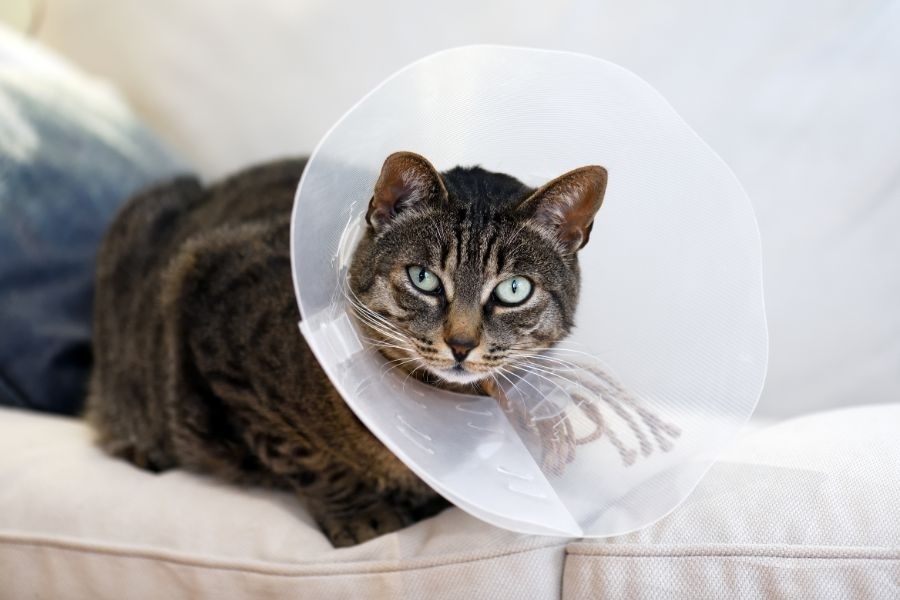
- Prevent Licking and Chewing: Utilize an Elizabethan collar or soft recovery suit to prevent your pet from irritating or contaminating their stitches.
- Administer Medications Precisely: Follow all instructions regarding prescribed pain relievers strictly, never skipping doses or stopping early without veterinary approval.
Partnering with Your Local Wewoka Animal Care Team
Navigating surgical care is much easier when you have an experienced, compassionate veterinary team supporting your family every step of the way. Open communication and trusted clinical expertise ensure your pet receives the exact level of personalized attention they deserve.
Our team at Wewoka Animal Hospital is proud to serve families throughout the Wewoka community. Whether you have questions about upcoming veterinary surgery, want to learn more about our advanced monitoring protocols, or need guidance on post-operative recovery, our experienced professionals are here to support you. Reach out to our clinic today to schedule a consultation and take a proactive step toward safeguarding your pet’s health.
FAQ
Q1. Why are pre-anesthetic blood tests necessary before my dog or cat undergoes surgery?
Ans: Pre-anesthetic blood tests evaluate internal organ function, hydration levels, and blood cell counts to ensure your pet can safely process anesthesia and catch hidden health concerns early.
Q2. How long will my pet need to stay at the clinic on the day of their scheduled surgery?
Ans: Most pets arrive in the morning for check-in and preparation, undergo their procedure mid-day, and are discharged later that afternoon or evening once fully recovered from anesthesia.
Q3. What monitoring equipment do veterinary teams use to keep pets safe during a procedure?
Ans: Veterinary teams utilize advanced monitors to track heart rate, blood oxygen levels, blood pressure, and core body temperature continuously from induction through recovery.
Q4. How can I prevent my pet from licking or chewing at their fresh surgical incision?
Ans: You can prevent licking by keeping an Elizabethan collar or a specialized soft recovery suit on your pet at all times until the stitches or staples are removed.
Q5. When should I contact the veterinary clinic regarding concerns during my pet’s home recovery?
Ans: You should contact the clinic promptly if your pet refuses to eat, vomits, exhibits severe lethargy, or shows signs of swelling, bleeding, or discharge at the incision site.