Trusted Veterinary Care for Your Large Animals & Farm Calls!

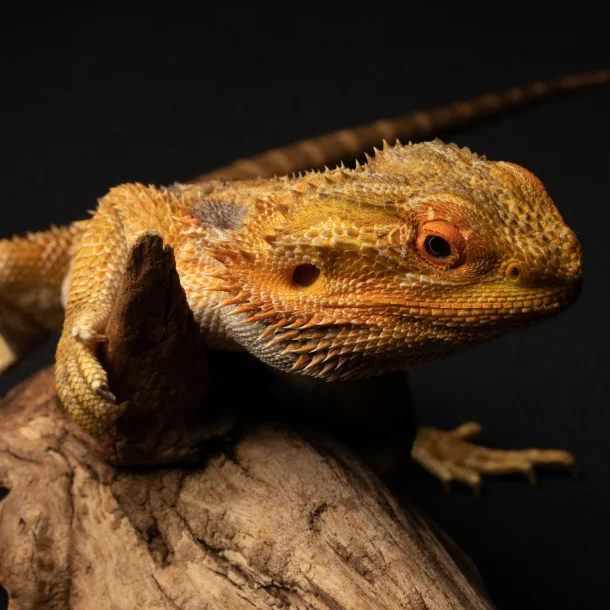
Specialized Veterinary Care for Pet Reptiles
A reptile’s health depends on much more than food and water, since heat, UVB light, humidity, and enclosure setup all affect how its body functions. Unlike cats and dogs, reptiles rely on their environment to regulate temperature, digest food, and stay strong. They also tend to hide illness until they are quite sick, which makes early veterinary attention especially valuable.
At Wewoka Animal Hospital, we combine careful exams with practical advice on the day-to-day care your reptile needs at home. Whether you are bringing home a new pet or caring for a longtime companion, we are here to help you keep them thriving.
Nose-to-Tail Reptile Wellness Exams
Routine wellness exams help identify health concerns that reptiles may not show through obvious signs of illness. During an appointment, we assess your pet’s weight, body condition, eyes, mouth, skin, limbs, and vent. We also ask about appetite, shedding patterns, bowel movements, and activity levels, as changes in these areas can offer important clues about their health.
Your reptile’s species, age, habitat, and daily routine all influence its care needs. We will review its medical history and discuss any changes you have noticed at home. These visits also give you an opportunity to ask questions about handling, preventive care, and maintaining healthy habits between appointments.
Getting the Habitat Right
A properly maintained enclosure is essential to your reptile’s health, comfort, and natural behavior. Incorrect temperatures, inadequate UVB exposure, or unsuitable humidity can contribute to problems with digestion, appetite, shedding, and bone development. We can review your pet’s basking area, temperature gradient, lighting, humidity, hides, and substrate to help ensure the setup meets its species-specific requirements.
Different reptiles need different environmental conditions. Bearded dragons, for example, require appropriate basking temperatures and UVB lighting, while many tropical species depend on carefully managed humidity. We can help you identify areas that may need adjustment and discuss practical ways to maintain suitable enclosure conditions.
Feeding Plans That Fit Your Reptile
Reptiles have varied dietary requirements depending on their species, age, and stage of development. Some, such as many geckos, eat insects, while others, including tortoises, rely primarily on leafy greens and vegetation. Certain snakes require appropriately sized whole prey, and some omnivorous reptiles need a combination of animal- and plant-based foods.
We can help you select suitable food items, establish feeding schedules, and understand portion sizes for your pet. We also discuss calcium, vitamin supplementation, and proper food preparation where appropriate. A balanced, species-specific diet supports healthy growth and helps reduce the risk of nutritional concerns such as metabolic bone disease, obesity, and deficiencies.
Shedding, Skin, and Parasite Concerns
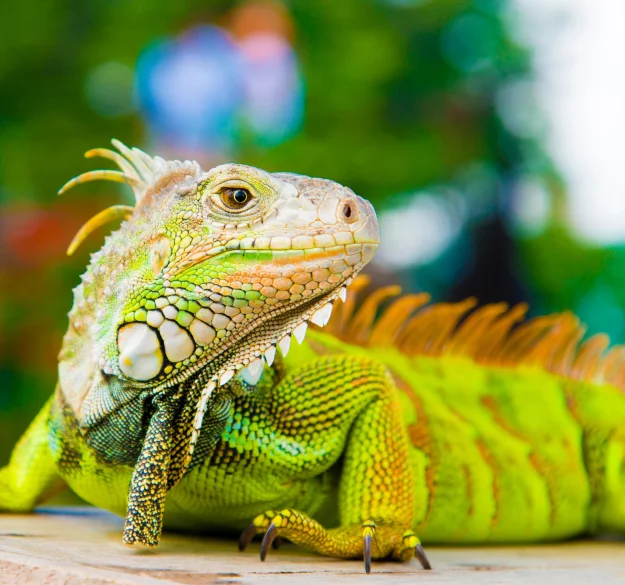
Healthy shedding is an important part of reptile care, but retained shedding, particularly around the toes, tail, or eyes, can lead to discomfort and complications. Skin concerns such as scale rot, sores, discoloration, and mite infestations may also require veterinary attention. We examine your reptile’s skin and scales to identify abnormalities and determine whether further testing or treatment is needed.
Internal parasites can also affect digestion, appetite, weight, and overall condition. When appropriate, we may recommend a fecal examination to check for intestinal parasites and guide treatment. We can also discuss enclosure hygiene, suitable humidity, and other preventive measures to help reduce recurring skin and parasite problems.
Care for Sick or Struggling Reptiles
Reptiles may hide signs of illness, so even subtle changes in their usual behavior deserve attention. Watch for reduced appetite, unusual lethargy, unexplained weight loss, swelling, wheezing, discharge or bubbling around the mouth or nose, and changes in droppings. Difficulty shedding, abnormal posture, or spending unusual amounts of time in one area of the enclosure may also indicate an underlying concern.
If your reptile seems unwell, our team will perform a thorough examination and discuss any recommended diagnostic tests based on its symptoms. We will explain the findings, available treatment options, and steps you can take at home to support recovery. Because some reptile health conditions can progress without obvious warning, contact us promptly when you notice changes in your pet’s normal condition.
Reptile Care for Wewoka Families
Reptiles depend on proper heat, lighting, and nutrition to stay healthy, and even small gaps in care can lead to illness. Wewoka Animal Hospital offers exams, husbandry guidance, and treatment tailored to your reptile’s needs. Call us if your pet is eating less, shedding poorly, or breathing differently, and we’ll help you get them back on track.