Trusted Veterinary Care for Your Large Animals & Farm Calls!

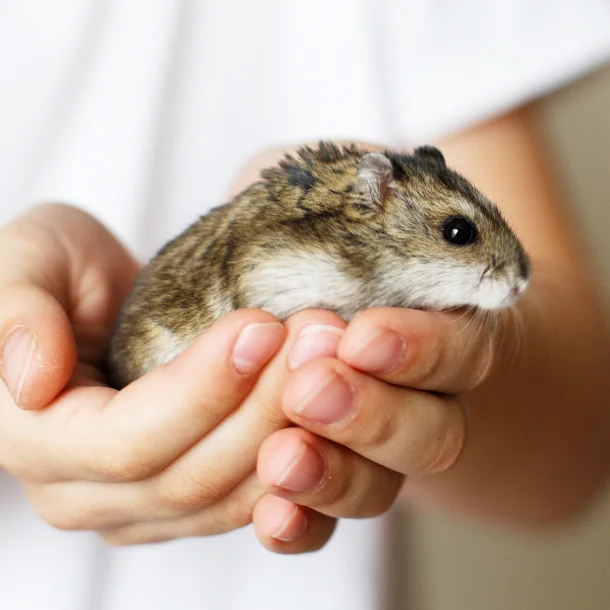
Dedicated Care for Pocket-Sized Pets
Pocket pets such as hamsters, guinea pigs, gerbils, rats, mice, and chinchillas may be small, but they have big personalities and big health needs. At Wewoka Animal Hospital, we understand that these tiny companions require veterinary care that is specific to their species. Because small animals often hide signs of illness until a problem is advanced, regular checkups play a key role in keeping them healthy.
Our team handles every pocket pet with patience and a gentle touch to keep stress to a minimum. We are here to help your small friend live a happy, comfortable life.
Different Pocket Pets We Care For
Routine exams allow us to check your pet’s weight, teeth, skin, coat, eyes, and breathing. We will also review your pet’s habits and home setup so we can spot concerns early. Because small pets can change quickly, regular visits make a real difference.
Chinchilla Care
Chinchillas have dense fur, sensitive digestive systems, and teeth that never stop growing. We check dental health, fur condition, and gut function, and we talk through hay-rich nutrition, dust baths, and temperature control, since they overheat easily. Routine visits help prevent dental disease and digestive upset.
Ferret Care
Ferrets are playful, curious, and prone to certain health issues such as dental disease, digestive blockages, and adrenal problems. Our exams cover weight, teeth, coat, heart, and abdomen, and we help you with diet, vaccinations, and parasite prevention. Regular checkups are especially important as ferrets age.
Hamster Care
Hamsters are active and often nocturnal, which can make early illness easy to miss. We check for overgrown teeth, skin problems, lumps, and digestive issues such as diarrhea, and we advise on diet, cage setup, and exercise. Regular exams help catch problems early in a pet with a short lifespan.
Nutrition and Diet Counseling
Chinchillas, ferrets, and hamsters have different nutritional requirements, so choosing the right food is essential to their health. Chinchillas need a fiber-rich diet consisting mainly of quality grass hay, while ferrets require high-protein, meat-based food to support their nutritional needs. Hamsters benefit from a balanced combination of species-appropriate pellets, grains, seeds, and occasional fresh foods.
We can help you develop a feeding routine that suits your pocket pet’s species, age, and overall health. Our guidance also covers appropriate portion sizes, fresh water, healthy treat choices, and foods to avoid. With a suitable diet, you can support digestion, maintain a healthy weight, and help your pet stay active.
Parasite Prevention and Skin Care
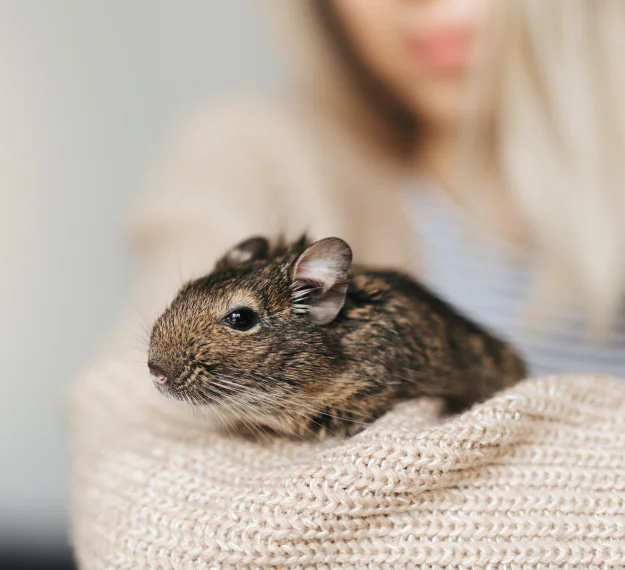
Skin irritation and parasite problems can affect chinchillas, ferrets, and hamsters, sometimes causing itching, hair loss, redness, or changes in their coats. During an examination, we assess your pet’s skin and fur for signs of fleas, mites, infections, or other concerns. Since each species has different sensitivities, identifying the underlying cause helps us recommend suitable care.
We can also discuss preventive measures to help protect your pocket pet from recurring skin problems. Ferrets may need specific attention to flea and ear mite prevention, while chinchillas require careful skin and coat care because of their dense fur. For hamsters, we can help identify possible irritation linked to bedding, environmental conditions, or parasites.
Expert Treatment for Sick Small Pets
Chinchillas, ferrets, and hamsters instinctively hide signs of illness, so by the time symptoms appear, a problem may already be advanced. Warning signs include a drop in appetite, unusual tiredness, labored breathing, runny eyes or nose, diarrhea, changes in droppings, hair loss, or hiding more than usual. At Wewoka Animal Hospital, we examine your sick pocket pet carefully, identify the cause of the problem, and explain your treatment options in clear, simple terms. If your chinchilla, ferret, or hamster seems off, get in touch with us right away.
Habitat and Home Care Guidance
A suitable living environment plays an important role in keeping chinchillas, ferrets, and hamsters healthy and comfortable. We can guide you on choosing appropriate enclosures, bedding, temperature conditions, cleaning routines, and enrichment activities based on your pet’s needs. Chinchillas require a cool, dry environment and dust baths, while ferrets benefit from secure spaces and regular supervised play outside their enclosures.
Hamsters need enough room to burrow, explore, and use an exercise wheel safely. We can also discuss safe toys, hiding spaces, ventilation, and ways to keep your pet mentally stimulated. These adjustments can help reduce stress, encourage natural behaviors, and create a healthier home environment.
Wewoka’s Trusted Care for Small Pets
Wewoka Animal Hospital is proud to provide attentive, species-appropriate care for the small companions of families throughout Wewoka. If your pet has stopped eating, seems unusually quiet, or is showing any change in behavior, please call us right away, since small animals can decline quickly. Contact us today to schedule an appointment for your pocket pet in Wewoka, OK.