Trusted Veterinary Care for Your Large Animals & Farm Calls!

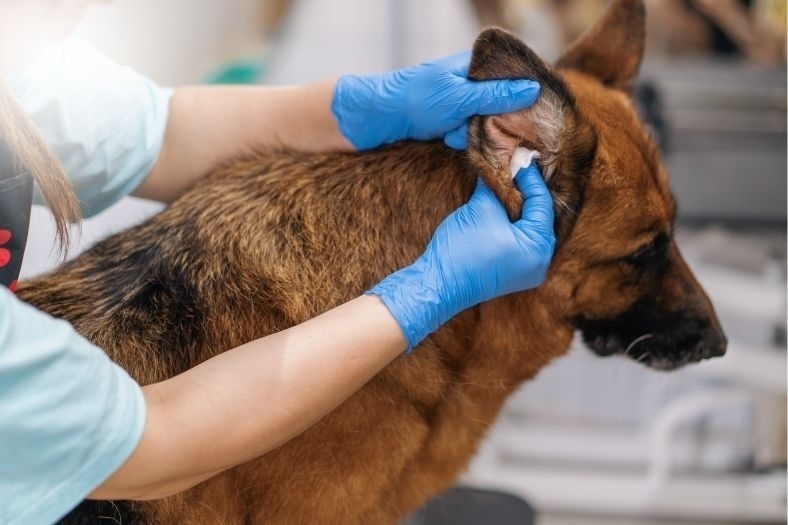
A dog that constantly shakes its head, scratches one ear, or reacts when its ears are touched may be experiencing more than a little irritation. Ear infections can cause considerable discomfort and may worsen if the underlying problem is not treated. Recognizing symptoms that call for urgent vet care helps pet owners respond before an infection leads to more serious complications.
Some ear problems develop gradually, while others become painful over a short period. Knowing which changes to watch for can help you decide when your dog needs a veterinary examination.
Early Signs of an Ear Infection in Dogs
Dogs cannot explain where they hurt, so changes in their behavior often provide the first clues. An infection may affect one ear or both, and symptoms can vary depending on its cause and severity.
Look for these common signs:
- Frequent head shaking or tilting
- Scratching or rubbing the ears against furniture or the floor
- Redness inside the ear flap
- Unusual discharge, including brown, yellow, or dark material
- A strong or unpleasant odor
- Sensitivity when the ear is touched
- Whining, restlessness, or reluctance to have the head handled
- Crusting or scabs around the ear opening
A dog may also become less playful or seem unusually irritable. These behavioral changes can be easy to overlook, particularly when the physical symptoms are mild.
If you notice persistent itching, odor, or discharge, arrange a veterinary examination rather than assuming the problem will resolve without treatment.
Symptoms That Mean Your Dog Needs Urgent Pet Care
Not every ear infection requires immediate intervention, but certain symptoms suggest significant inflammation, severe pain, or possible involvement of deeper ear structures.
Seek prompt veterinary attention if your dog develops:
Severe Pain or Swelling
A dog that cries, pulls away, or refuses to let anyone near its head may be experiencing substantial discomfort. Marked swelling around the ear canal or ear flap also deserves prompt assessment.
Blood or Heavy Discharge
Blood, thick discharge, or a sudden increase in fluid from the ear can indicate trauma, significant inflammation, or another underlying problem. Avoid inserting cotton swabs or attempting to clean deep inside the canal.
Head Tilting or Balance Changes
A persistent head tilt, stumbling, circling, or unusual eye movements may indicate that a problem is affecting the middle or inner ear. These signs should not be treated as ordinary itching.
Sudden Changes in Behavior
A normally active dog that becomes withdrawn, stops eating, or appears unusually distressed may be reacting to pain or illness. When these changes occur alongside ear symptoms, urgent pet care is important.
If your dog cannot stand normally, has severe pain, or develops sudden neurological signs, seek immediate veterinary assessment rather than waiting for a routine appointment.
Why Dog Ear Infections Can Become Persistent
An ear infection may return even after symptoms appear to improve. This often happens because the original trigger has not been identified or fully managed.
Several factors can contribute to recurring infections:
- Allergies: Environmental or food-related allergies can cause inflammation in the skin lining the ear canal.
- Moisture: Water retained after swimming or bathing may encourage yeast and bacterial growth.
- Ear structure: Floppy ears, narrow canals, or excess hair around the opening may affect ventilation.
- Foreign material: Grass seeds and other debris can irritate the canal and contribute to infection.
- Excessive wax: Buildup may trap debris and make the ear environment more difficult to manage.
- Underlying skin conditions: Chronic skin inflammation can affect the ears as well as other parts of the body.
Identifying the contributing factor is an important part of treatment. Without addressing it, an infection may repeatedly return and become harder to manage.
What Can Happen If an Ear Infection Is Ignored?
Leaving an infection untreated can cause ongoing discomfort and damage to sensitive ear tissues. As inflammation continues, the ear canal may become swollen or thickened, making examination and medication delivery more difficult.
Possible complications include:
Chronic inflammation: Repeated infections can cause lasting changes in the ear canal, including narrowing and thickening.
Ear hematoma: Repeated head shaking or scratching may break small blood vessels in the ear flap. Blood then collects beneath the skin, causing a swollen, fluid-filled area.
Middle or inner ear infection: Infections can sometimes extend beyond the outer canal. Affected dogs may develop balance problems, head tilting, or hearing changes.
Hearing difficulties: Severe or prolonged inflammation may interfere with hearing and, in some cases, cause lasting damage.
These risks are why urgent vet care should be considered when symptoms become severe, return repeatedly, or are accompanied by changes in balance or behavior.
How a Veterinarian Finds the Cause
Treating an ear infection effectively requires more than identifying redness or discharge. A veterinarian needs to understand what is happening inside the ear and whether another condition is contributing to the problem.
Examining the Ear Canal
The veterinarian will inspect the ear flap and canal for swelling, discharge, odor, foreign material, and other abnormalities. An otoscope may be used to examine deeper areas and assess the eardrum when it is visible.
Testing an Ear Sample
A small sample of discharge may be collected for microscopic examination. This can help identify yeast, bacteria, and inflammatory cells. In recurring or difficult-to-treat cases, additional testing may be recommended to guide medication selection.
Checking for Underlying Conditions
If infections continue to return, the veterinarian may investigate allergies, skin disease, or anatomical factors. The treatment plan may include prescribed ear medication, appropriate cleaning instructions, and management of the underlying cause.
Never use leftover ear medication without veterinary advice. Some products may be unsuitable when the eardrum is damaged or when the actual cause has not been identified.
How Regular Preventive Care Helps Protect Ear Health
A pet wellness exam gives your veterinarian an opportunity to assess your dog’s overall health, including the ears and skin. Routine examinations can help identify early inflammation, wax buildup, or recurring problems before they become more uncomfortable.
At home, you can support ear health by:
- Checking the ears regularly for odor, redness, or discharge.
- Drying the outer ears gently after swimming or bathing.
- Using only cleaning products recommended by your veterinarian.
- Keeping a record of recurring symptoms and previous treatments.
- Following medication instructions and completing the prescribed course.
Avoid putting cotton swabs, alcohol, peroxide, or household remedies into the ear canal. If your dog has painful or inflamed ears, ask a veterinary professional whether cleaning is appropriate before attempting it.
Finding Veterinary Help in Wewoka
When ear symptoms persist, timely evaluation can help prevent unnecessary discomfort and identify problems that may require further treatment. If you are searching for urgent pet care or veterinary support in Wewoka, look for a practice that can examine the ear canal, perform appropriate diagnostic testing, and help investigate recurring infections.
Pay attention to changes in your dog’s behavior, especially repeated head shaking, unusual odor, or sensitivity around the ears. Sharing a clear history of symptoms and previous treatments can help the veterinarian make informed decisions.
Schedule a Veterinary Appointment
If your dog has recurring ear irritation, persistent discharge, or an unpleasant ear odor, arrange an examination to identify the cause. Wewoka Animal Hospital can help assess your dog’s symptoms and discuss an appropriate treatment plan. Use the hospital’s online booking option, if available, to request an appointment. If your dog has severe pain, balance difficulties, or rapidly worsening symptoms, seek immediate veterinary attention rather than waiting for a routine visit.
Call Our Veterinary Team
Have questions about your dog’s ear symptoms or need guidance on the next step? Call 405-257-6167 to discuss the changes you have noticed and ask about arranging an evaluation. Mention any head shaking, discharge, odor, or previous treatment. For severe pain or sudden balance problems, seek prompt veterinary assessment.
Frequently Asked Questions
Q1. Can dogs develop ear infections in only one ear?
Ans: Yes. An infection can affect just one ear, particularly when a foreign object, injury, or localized irritation is involved. Allergies and certain underlying conditions may affect both ears. A veterinarian should examine each ear separately because the symptoms and treatment needs may differ.
Q2. Does a bad smell from my dog’s ear always mean there is an infection?
Ans: Not always, but an unusual or persistent odor can indicate yeast or bacterial overgrowth, wax buildup, or inflammation. The smell alone cannot identify the cause. If it is accompanied by discharge, redness, or frequent scratching, arrange an examination to determine what is happening.
Q3. Can swimming make a dog more likely to develop an ear infection?
Ans: Swimming can increase moisture inside the ear canal, particularly in dogs whose ear structure limits airflow. Moisture may contribute to conditions that encourage microbial growth. Gently dry the outer ears after swimming and ask your veterinarian whether your dog would benefit from a specific ear-care routine.
Q4. Why does my dog shake its head even after the infection improves?
Ans: Continued head shaking may mean inflammation has not fully settled, debris remains in the canal, or another source of irritation is present. It can also indicate that the original diagnosis or treatment needs reassessment. Contact your veterinarian if the behavior continues after treatment.
Q5. Can ear infections affect a dog’s mood or daily routine?
Ans: Yes. Ear discomfort can make dogs restless, irritable, less playful, or reluctant to be handled around the head. Some may sleep poorly or avoid activities they usually enjoy. Behavioral changes can be useful clues, especially when they appear alongside ear odor, discharge, or repeated head shaking.