Trusted Veterinary Care for Your Large Animals & Farm Calls!

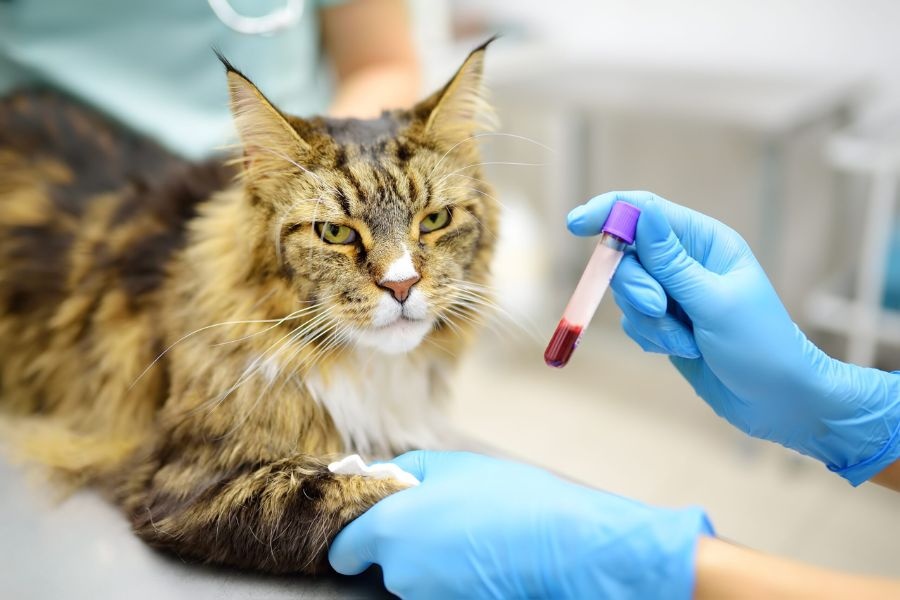
When a pet is not feeling well, the signs you notice at home may only tell part of the story. Changes in appetite, energy, weight, bathroom habits, breathing, or behavior can have many possible causes. Because different conditions can produce similar symptoms, veterinarians may need more than one type of diagnostic information to understand what is happening.
Two commonly used diagnostic approaches are bloodwork and imaging. Although they serve different purposes, they can complement one another and provide a more complete view of a pet’s health.
For pet owners in Wewoka, understanding why both may sometimes be recommended can make the diagnostic process easier to follow. Wewoka Animal Hospital provides pet diagnostic care based on the individual needs of each patient, with testing selected according to the symptoms, physical examination, medical history, and questions that need to be answered.
Bloodwork and Imaging Answer Different Questions
Bloodwork and imaging do not simply provide duplicate information. Each can reveal different aspects of a pet’s condition.
Bloodwork can provide information about certain internal functions and help identify changes that may not be visible from the outside. Imaging, on the other hand, can help veterinarians evaluate structures within the body.
For example, bloodwork may provide useful information about organ function, while imaging may help visualize an organ’s size, shape, position, or surrounding structures.
When used together, these diagnostic tools can give the veterinarian complementary information. This can be particularly helpful when the symptoms alone do not point clearly toward one explanation.
Symptoms Can Have More Than One Cause
Many pet health problems involve symptoms that overlap between different conditions.
A dog that has stopped eating may have a digestive concern, an internal health issue, discomfort, or another problem. A cat that loses weight may have changes involving metabolism, digestion, internal organs, or other factors.
Because symptoms are not always specific, veterinarians may need to investigate several possibilities. Bloodwork and imaging can help approach the problem from different perspectives.
Rather than assuming that one symptom points to one diagnosis, the veterinarian can gather information and gradually narrow the possibilities.
What Bloodwork Can Tell Your Veterinarian
Bloodwork is often useful when a veterinarian needs information about what is happening internally.
Depending on the tests selected, laboratory results can provide information about blood cells, organ-related values, metabolic processes, and other aspects of a pet’s health.
These findings may help identify patterns that are not apparent during a physical examination. They can also provide context for other diagnostic results.
For example, if imaging identifies an abnormal area, bloodwork may provide additional information that helps the veterinarian understand the broader health picture.
The exact tests recommended depend on the individual pet and the clinical questions being investigated.
What Imaging Can Reveal
Imaging provides another perspective by allowing veterinarians to examine internal structures.
Depending on the situation, imaging may help evaluate bones, organs, soft tissues, or other areas of the body. It can provide information about the location, appearance, size, or structure of an abnormality.
A physical examination may suggest that something is wrong without showing exactly where the problem is located. Imaging can sometimes provide the additional information needed to investigate that concern.
Different imaging methods are suited to different questions, so the veterinarian chooses an approach based on the pet’s symptoms and examination findings.
Why One Test May Lead to Another
Diagnostic testing is often a step-by-step process.
A veterinarian may begin with an examination and an initial test. The results may answer some questions while raising others. This does not necessarily mean that the first test was unsuccessful. Instead, it may provide information that helps determine what should be evaluated next.
For example, bloodwork may indicate that additional investigation is appropriate, leading the veterinarian to recommend imaging. In another situation, imaging may reveal a finding that makes additional laboratory testing useful.
This process allows testing to be guided by the information already available.
When Both Tests Provide a More Complete Picture
Some pet health problems affect both body function and physical structure.
For instance, an abnormal laboratory result may indicate that an internal organ is not functioning normally. Imaging may then help evaluate the organ itself and identify structural changes that could be contributing to the laboratory findings.
The reverse can also happen. Imaging may identify an unusual finding, while bloodwork provides additional information about the pet’s overall internal health.
By considering both sets of information, veterinarians can avoid relying too heavily on a single result.
Advance Testing May Be Needed in Certain Cases
Initial testing does not always provide enough information to explain persistent or complicated symptoms. In these situations, advance testing may be considered.
Advance testing refers to additional or more specialized diagnostic evaluation when the veterinarian needs further information. The type of testing depends on what has already been discovered and which questions remain unanswered.
It is important to understand that advance testing is not automatically necessary for every pet. The recommendation is based on the individual case and whether additional information could help clarify the condition or guide the next step.
Medical History Helps Interpret Test Results
Diagnostic results are more meaningful when considered alongside the pet’s medical history.
Your veterinarian may ask about previous health concerns, medications, diet, activity, changes in behavior, and how long the current symptoms have been present.
Previous test results can also be useful. Comparing current findings with earlier information may help identify whether a change is new or part of a longer pattern.
Providing complete information about your pet’s history can therefore support more focused pet diagnostic care.
The Physical Examination Still Comes First
Even when bloodwork and imaging are involved, the physical examination remains an important part of the diagnostic process.
The veterinarian may assess your pet’s weight, body condition, heart and breathing patterns, abdomen, skin, movement, hydration, and other physical characteristics.
These findings help determine which diagnostic questions should be prioritized. The examination may also influence whether bloodwork, imaging, or both are appropriate.
Testing works most effectively when it is connected to the rest of the clinical picture rather than considered in isolation.
Why Pet Owners Should Not Compare Test Plans
It is natural for pet owners to compare experiences. However, two pets with similar symptoms may need completely different diagnostic approaches.
Age, breed, medical history, medications, physical findings, symptom duration, and overall health can all affect the recommended testing plan.
One pet may need bloodwork first, while another may benefit from imaging. A third pet may require both.
The goal is not to perform the same tests on every patient. The goal is to gather information that is relevant to the individual pet’s situation.
Supporting Pet Diagnostic Care in Wewoka
For pet owners in Wewoka, understanding the role of different diagnostic tools can make veterinary visits more informative. At Wewoka Animal Hospital, pet diagnostic care can involve physical examinations, laboratory testing, imaging, and additional evaluation when appropriate.
When bloodwork and imaging are both recommended, the tests are generally intended to answer different questions and provide complementary information. Together, the findings may help the veterinarian better understand complex pet health problems and determine an appropriate course of care.
Schedule a Diagnostic Appointment for Your Pet
If your pet has developed unexplained or persistent changes in appetite, activity, weight, behavior, or other aspects of daily life, schedule an online appointment with Wewoka Animal Hospital. Discuss your observations with the veterinary team and learn whether bloodwork, imaging, or other diagnostic evaluation may be appropriate for your pet.
Frequently Asked Questions
Q1. Why would a pet need both bloodwork and imaging?
Ans: Bloodwork and imaging provide different types of information. Bloodwork can provide insight into internal health and certain body functions, while imaging can help evaluate the structure and appearance of internal organs and tissues.
Q2. Does every pet with health problems need bloodwork and imaging?
Ans: No. Diagnostic testing is selected according to the pet’s symptoms, physical examination findings, medical history, age, and other individual factors. Some pets may need one type of testing, while others may benefit from several approaches.
Q3. What happens if bloodwork does not explain my pet’s symptoms?
Ans: Your veterinarian may review the findings alongside the physical examination and medical history. If questions remain, imaging or another diagnostic approach may be recommended to gather additional information.
Q4. When might advance testing be recommended for a pet?
Ans: Advance testing may be considered when initial evaluation does not provide enough information or when a specific concern requires more detailed investigation. The recommended testing depends on the individual case.
Q5. How can I help my veterinarian during my pet’s diagnostic evaluation?
Ans: Provide details about when symptoms started, changes in appetite or activity, medications, diet, previous health concerns, and earlier test results. Accurate observations can help your veterinarian interpret current findings.