Trusted Veterinary Care for Your Large Animals & Farm Calls!

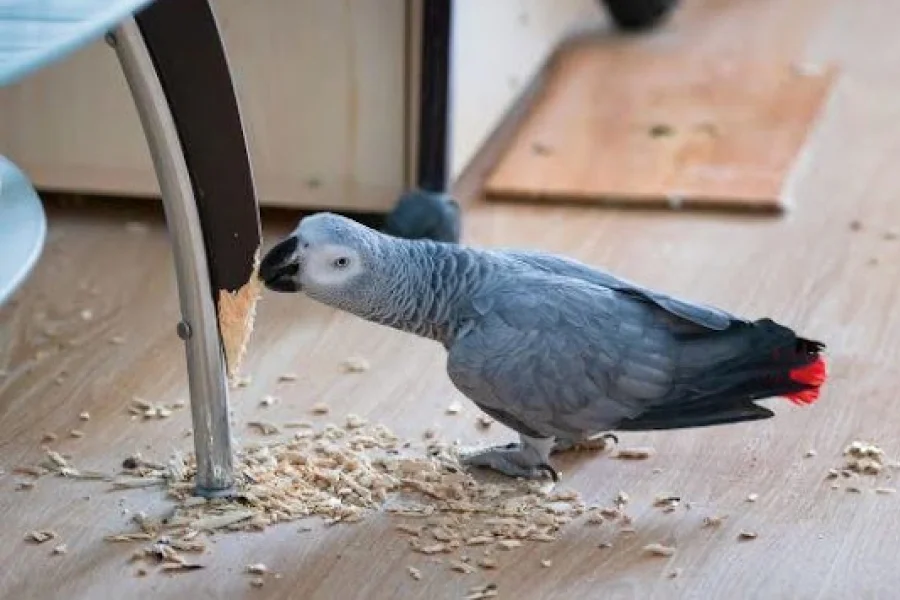
Birds are intelligent, sensitive companions, and they “talk” mostly through behavior. When your bird suddenly acts differently, it is natural to feel worried and wonder what is going on. A bird behavior consultation in Wewoka can help you understand what your bird is trying to tell you and whether something deeper is happening. In this guide, we answer the most common questions pet bird owners ask about strange or sudden behavior.
Why Is My Bird Doing That? Understanding Normal Bird Behavior
Before you worry, it helps to know what is normal. Many behaviors that look odd to us are simply instincts passed down from wild flocks. Birds screech at dawn and dusk, fluff their feathers, bob their heads, grind their beaks, and even regurgitate food for a favorite person. Most of these are signs of bonding, comfort, or excitement.
Here are a few common examples. Loud calling is often a “contact call” that tells the flock where you are. Fluffed feathers can mean your bird is relaxed or warming up, although a bird that stays fluffed all day may be unwell. Beak grinding before sleep usually means your bird is content. Head bobbing may show curiosity, excitement, or hormonal behavior, depending on the species.
Biting is another frequent question. Birds rarely bite out of meanness. A bite is often a way of saying “stop,” “I am scared,” or “I am protective of this space.” Learning to read body language, like pinned pupils, raised feathers, or a lunging posture, can prevent many bites.
The key is consistency. Once you know your bird’s usual habits, changes become much easier to spot. Short video clips of typical behavior can be very helpful if you ever need to show your veterinarian what has changed.
Why Did My Bird’s Personality Suddenly Change?
A sweet, chatty bird that suddenly bites, hides, or goes quiet is sending you a message. In the wild, showing weakness attracts predators, so birds instinctively hide illness. That means a change in behavior is often the very first sign that something is wrong, and sometimes the only one.
Several things can be behind a personality shift. Medical causes include infections, pain, hormonal imbalances, nutritional deficiencies, and liver or kidney problems. Environmental causes include a new pet or family member, a moved cage, loud noises, or changes in lighting and sleep. Seasonal hormones can also trigger nesting, territorial behavior, and aggression, especially in species like cockatiels and lovebirds.
Even small shifts deserve a second look, like a bird that no longer wants to step up or stops singing. Seek care sooner if the change comes with fluffed feathers, labored breathing, changes in droppings, or loss of balance.
It is tempting to assume your bird is just being stubborn, but it is always safer to rule out a health problem first. Once your veterinarian confirms your bird is healthy, behavior changes can be addressed with training, enrichment, and routine adjustments.
Why Is My Bird Not Eating?
A bird that stops eating needs attention quickly. Birds are small and have fast metabolisms, so they can decline in a matter of days. Watch for fluffed feathers, sitting at the bottom of the cage, tail bobbing when breathing, changes in droppings, and weight loss.
Possible causes include illness, infection, crop or digestive problems, an overgrown beak, stress, toxins, and dirty food bowls. Some birds also stop eating after a diet change, or they refuse healthy foods because they have been on seed-heavy diets for years. Because birds hide illness so well, appetite changes should never be ignored.
Weight is a useful clue. Birds can hide weight loss under their feathers, so a small gram scale at home and regular weigh-ins can help you catch problems early. Keep a log to share with your veterinarian.
If your bird has stopped eating, call your veterinarian promptly. Seek immediate care if this occurs with weakness, breathing changes, sitting at the cage bottom, or abnormal droppings. Avoid trying to force-feed at home, and bring a sample of the food and photos of recent droppings to the appointment.
Why Is My Bird Plucking Its Feathers?
Plucking, barbering, or over-chewing feathers is one of the most common and most frustrating concerns for bird owners. It is seen often in parrots, cockatoos, African greys, and conures, and it is rarely a simple habit.
Medical causes include skin infections, parasites, allergies, liver disease, and poor nutrition. Behavioral causes include boredom, stress, too little social time, not enough sleep, and hormonal changes. Often it is a mix of both, which is why guessing at home can delay real relief.
Boredom is a major trigger. Wild birds spend hours each day foraging, but caged birds may have everything handed to them. Rotating toys, offering foraging puzzles, and giving daily out-of-cage time can make a real difference.
Early help matters because plucking can become a deeply ingrained habit. Your veterinarian will perform a full exam, may recommend bloodwork or other tests, and will build a plan that can include foraging toys, a better diet, a regular sleep schedule, and more interaction with you.
What to Expect From a Bird Behavior Consultation in Wewoka
A behavior consultation is more than a quick check. Your veterinarian will ask about your bird’s species, age, diet, cage setup, sleep, daily routine, and any recent changes at home. A physical exam and sometimes diagnostic tests help rule out medical causes before behavior is addressed.
From there, you will receive a customized plan. This may include diet changes, enrichment ideas, training tips, adjustments to the cage or sleeping area, and follow-up check-ins to see how your bird is responding.
Consultations are also a great chance to ask about preventive care. Many owners learn about balanced diets and safe household practices, including avoiding hazards like nonstick cookware fumes, which can be dangerous to birds.
To prepare, take videos of the behavior, photos of the cage setup, a list of the foods and treats your bird eats, and notes on when the changes began. Any bird showing a sudden personality change, appetite loss, plucking, screaming, biting, or fearfulness can benefit from a consultation.
Conclusion: Your Bird Is Talking, Let’s Help You Listen
Behavior is how your bird communicates. Changes in personality, appetite, or feather condition are signals worth taking seriously, because they often point to health or environmental concerns that are easier to treat when caught early. You know your bird better than anyone, so trust your instincts when something feels off.
A bird behavior consultation in Wewoka with the caring team at Wewoka Animal Hospital can give you answers, a clear plan, and peace of mind. Your bird depends on you to notice the small changes, and we are here to help you act on them.
At Wewoka Animal Hospital in Wewoka, OK, we are committed to helping you understand your bird and keep them healthy and happy. Schedule your bird’s visit today and give your pet the care they deserve.
Frequently Asked Questions
Q1. How do I know if my bird’s behavior change is serious?
Ans: A sudden behavior change is worth a call to your veterinarian, especially when it continues, worsens, or occurs with appetite, breathing, balance, or droppings changes.
Q2. Can birds get lonely or depressed?
Ans: Yes. Many pet birds are highly social and can become withdrawn, noisy, or destructive without enough interaction and stimulation. Daily time with you, rotating toys, and a consistent routine all help.
Q3. How often should my bird see a veterinarian?
Ans: Most healthy birds benefit from an annual wellness exam. Regular visits help catch hidden problems early and give you a baseline for what is normal for your bird.
Q4. Is a bird behavior consultation in Wewoka only for birds with problems?
Ans: Not at all. New bird owners can also use a consultation to learn about diet, housing, training, and enrichment so small issues never turn into big ones.
Q5. How much sleep does my bird need?
Ans: Most pet birds need about 10 to 12 hours of quiet, dark sleep each night. Too little sleep can lead to irritability, hormonal behavior, and feather damage.