Trusted Veterinary Care for Your Large Animals & Farm Calls!

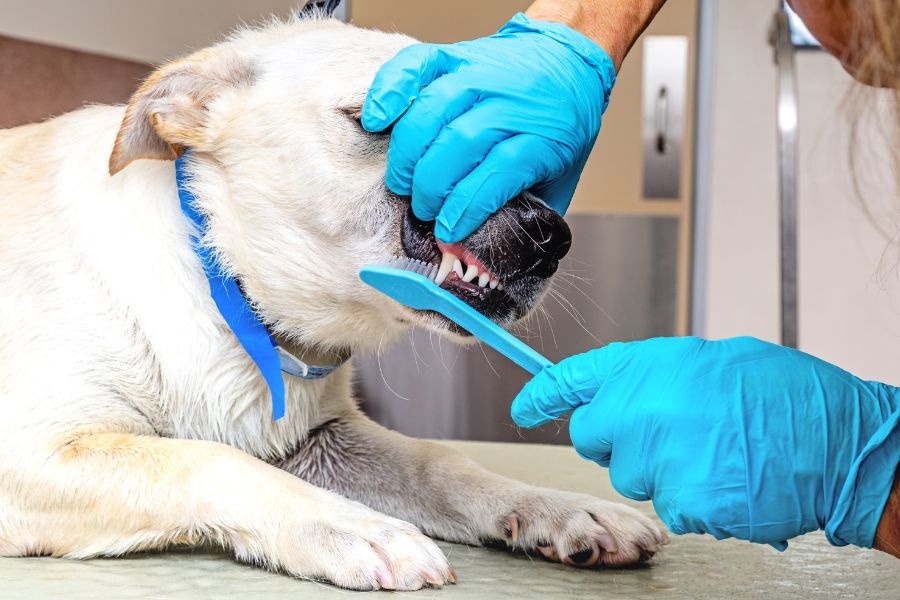
Many pet owners focus on food, exercise, and regular wellness visits but overlook dental health. Unfortunately, several common myths about pet dentistry prevent pets from receiving the oral care they need. Poor dental health can affect comfort, eating habits, and overall well being, making routine pet dental care an important part of lifelong veterinary care.
Let’s separate fact from fiction and explore some of the most common misconceptions about pet dental health.
Myth 1: Bad Breath Is Normal for Pets
Many people believe bad breath is simply part of owning a pet.
The truth is that persistent bad breath often signals plaque buildup, tartar accumulation, or gum disease. While occasional odor may happen after meals, ongoing bad breath deserves attention during your pet’s next veterinary visit.
Healthy mouths should not produce a consistently strong odor.
Myth 2: Chewing Toys Clean Teeth Completely
Chew toys and dental treats can certainly support oral health, but they cannot replace professional pet dental care. These products may help reduce some plaque on visible tooth surfaces, but they cannot remove hardened tartar or clean beneath the gumline where many dental problems begin.
They work well as part of an overall dental routine rather than as a complete solution.
Myth 3: If My Pet Is Eating Normally, Their Teeth Must Be Healthy
Pets are remarkably good at hiding discomfort.
Many continue eating even when they have dental disease because chewing is instinctive. By the time obvious changes appear, dental problems may already be more advanced.
Routine oral examinations help identify concerns before they begin affecting daily activities.
Myth 4: Home Brushing Makes Professional Dental Care Unnecessary
Brushing your pet’s teeth at home is one of the most valuable habits you can develop.
However, toothbrushes cannot remove hardened tartar or thoroughly clean below the gumline. Professional pet dentistry provides a deeper evaluation and cleaning that complements your home care routine.
The combination of home brushing and professional care provides the greatest long term benefits.
Myth 5: Dental Problems Only Affect the Mouth
Oral health is closely connected to overall health.
Healthy teeth and gums allow pets to chew comfortably and enjoy everyday activities. Regular dental evaluations help veterinarians monitor oral health while identifying concerns that may otherwise go unnoticed.
Maintaining healthy teeth contributes to better quality of life.
Myth 6: Older Pets Don’t Need Dental Care
Dental care remains important throughout every stage of life.
Senior pets may actually benefit from more frequent oral evaluations because dental issues become more common with age. Keeping the mouth healthy helps support comfort, eating, and overall wellness as pets grow older.
Age should never be a reason to ignore dental health.
Simple Ways to Support Better Oral Health
A healthy dental routine doesn’t have to be complicated.
Helpful habits include:
- Brushing your pet’s teeth regularly
- Scheduling routine dental evaluations
- Offering veterinarian approved dental products
- Watching for changes in eating habits
- Monitoring for persistent bad breath
Consistent care can help reduce plaque buildup and support healthier teeth and gums.
Healthy Smiles Support Healthy Pets
Dental care is much more than keeping your pet’s teeth clean. It plays an important role in their overall comfort and well being throughout life.
For pet owners in Wewoka, routine pet dental care helps identify oral concerns early while supporting healthier teeth and gums for years to come.
At Wewoka Animal Hospital, our veterinary team provides comprehensive pet dentistry services designed to protect your pet’s oral health through every stage of life. If it’s time for your pet’s dental evaluation, schedule an online appointment with our experienced team today.
Frequently Asked Questions
Q1. How often should my pet have a dental examination?
Ans: Regular dental examinations are typically recommended during routine wellness visits. Your veterinarian may suggest additional evaluations depending on your pet’s age, breed, oral health, and individual needs.
Q2. Can brushing my pet’s teeth prevent all dental problems?
Ans: Brushing is an excellent preventive habit, but it cannot remove hardened tartar or clean below the gumline. Professional dental evaluations remain an important part of complete oral care.
Q3. What are some signs that my pet may have dental problems?
Ans: Persistent bad breath, swollen gums, visible tartar, difficulty chewing, dropping food, or pawing at the mouth may all indicate that your pet should receive a dental evaluation.
Q4. Are dental treats enough to maintain healthy teeth?
Ans: Dental treats can support oral hygiene by helping reduce plaque, but they should be used alongside regular brushing and professional veterinary dental care for the most complete protection.
Q5. Why is dental care important for senior pets?
Ans: As pets age, they become more likely to develop dental concerns. Regular dental evaluations help maintain comfort, support healthy eating habits, and contribute to better overall quality of life.
Meta Title
Pet Dentistry Myths Every Pet Owner Should Know
Meta Description
Learn the truth behind common Pet Dentistry myths and discover how routine Pet Dental Care helps support healthier teeth, gums, and lifelong wellness.
SEO-Friendly URL Slug
pet-dentistry-myths-every-pet-owner-should-stop-believing