Trusted Veterinary Care for Your Large Animals & Farm Calls!

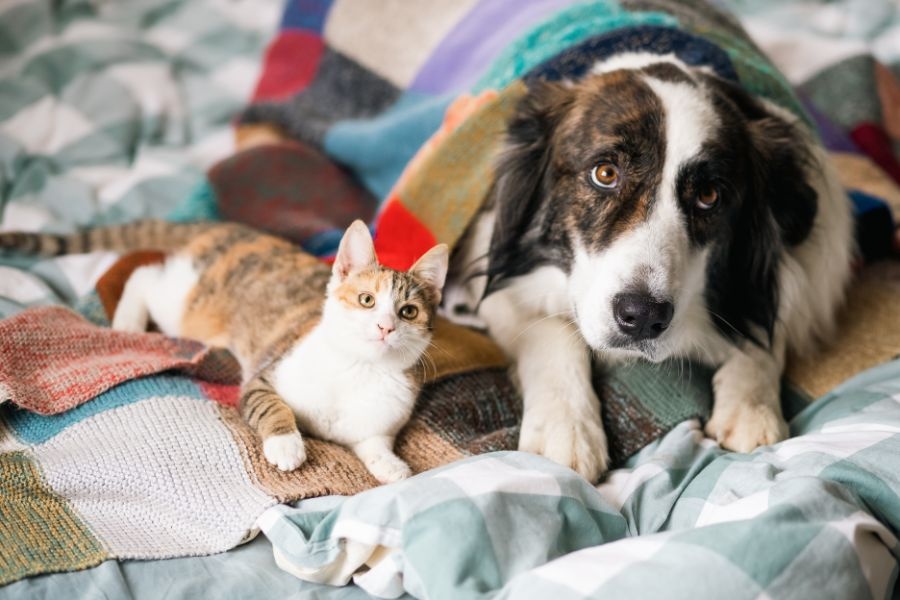
Sharing your home with a dog or cat brings immense joy, unconditional loyalty, and comforting companionship. Whether your pet greets you enthusiastically at the door after a long day or curls up quietly beside you on the couch, they quickly become an irreplaceable part of your family. As devoted pet parents, we naturally want to provide the highest standard of care to ensure our companions enjoy long, vibrant lives. While providing nutritious food, daily playtime, and a secure home are essential steps, recognizing internal discomfort remains just as important as what meets the eye.
Animals are evolutionary experts at masking physical discomfort to avoid showing vulnerability. In the wild, displaying weakness makes an animal an immediate target for predators, and our domestic companions retain this strong evolutionary survival instinct. Consequently, when an older dog or cat begins experiencing aches, joint soreness, or internal strain, they rarely cry out or limp dramatically. Instead, they alter their daily habits in subtle ways that many owners mistakenly write off as normal quirks of aging. Understanding how to interpret these quiet signals is vital for effective pet pain management.
Here at Wewoka Animal Hospital in Wewoka, our veterinary team frequently helps local families identify these hidden red flags early through a professional animal hospital pain evaluation. Let us explore what you need to know to protect your companion’s daily comfort.
Why Pets Hide Their Discomfort So Successfully
To provide truly proactive care, pet parents must understand why physical pain goes unnoticed for so long. Whether dealing with dental decay, abdominal inflammation, or progressive joint degeneration, dogs and cats are hardwired to keep moving forward. They will continue to jump on the sofa, greet you at the door, and eat their meals even while experiencing significant physical stress.
Because our pets hide their struggles so effectively, owners must look past obvious cues and pay attention to subtle shifts in behavior, posture, and routine. Recognizing signs your pet is in pain before a condition becomes severe allows veterinary professionals to intervene with targeted therapies that restore mobility and joy.
Recognizing Subtle Behavioral Red Flags at Home
Catching aches and pains in their earliest stages requires careful observation during your pet’s daily routines. Unlike humans who readily verbalize discomfort, pets alter their movement patterns and social interactions gradually.
Keep a close eye out for these common indicators:
- Decreased Activity and Reluctance to Move: If your dog suddenly lags behind on walks or your cat stops leaping onto high perches, joint or muscle discomfort is likely the culprit.
- Hesitation on Stairs or Transitions: Stiff, rigid legs when rising from a nap or a sudden refusal to climb a flight of stairs points directly to physical soreness.
- Changes in Grooming Habits: Cats with sore hips or elbows often stop grooming hard-to-reach areas like their lower back, resulting in a matted or unkempt coat.
- Unusual Withdrawal or Irritability: Chronic pain wears down a pet’s patience. An affectionate pet may snap when touched near sensitive areas, show reluctance to be picked up, or withdraw from family interactions entirely.
- Altered Posture and Breathing: Hunching the back, holding the head low, or panting heavily when resting in a cool room often signals underlying physical distress.
Figuring Out How to Tell If My Dog or Cat Hurts
While dogs often display distinct movement changes that make evaluation somewhat more straightforward, cats are notoriously quiet about their struggles. Figuring out how to tell if my dog or cat hurts involves observing their micro-behaviors during routine daily activities.
Pay close attention to changes in sleeping positions, facial expressions, and vocalizations. A dog in pain may shift their weight constantly or display an uneven, swaying gait. Meanwhile, a cat experiencing discomfort may squint their eyes, flatten their ears, or purr not out of happiness, but as a self-soothing mechanism to cope with physical stress. Monitoring these subtle nuances helps you catch health shifts early.
Modern Solutions for Comprehensive Pet Pain Management
When physical discomfort is identified early, a multi-modal management plan can dramatically improve your pet’s daily quality of life. Modern veterinary medicine offers a wide array of safe, advanced options designed to manage inflammation, protect tissues, and restore comfortable mobility.
Effective pet pain symptoms relief strategies often combine several complementary approaches. Weight management is arguably the most powerful tool available; reducing even a small amount of excess weight takes immense physical pressure off sore joints and internal structures. Additionally, veterinarians frequently recommend specialized joint supplements, targeted anti-inflammatory medications, physical rehabilitation, and environmental modifications around the home, such as adding non-slip rugs and ramps.
Partnering with Your Local Wewoka Animal Care Team
Navigating your pet’s health journey is much easier when you have an experienced and compassionate veterinary team supporting your family. Every dog and cat has a unique biological makeup, lifestyle, and medical history, meaning their wellness plan should be customized specifically for them.
Our team at Wewoka Animal Hospital is proud to serve families throughout the Wewoka community. Whether you are investigating unusual behavioral shifts, want to learn more about pet pain management, or wish to schedule a professional animal hospital pain evaluation, our experienced professionals are here to support you. Visit to our vet hospital today to schedule a consultation and take a proactive step toward safeguarding your companion’s lifelong comfort.
Frequently Asked Questions
Q1. Why do dogs and cats hide their physical pain so effectively from their human owners?
Ans: Evolutionary instincts compel domestic pets to conceal weakness and vulnerability to protect themselves from perceived predators and environmental threats.
Q2. What are some of the most common behavioral signs that indicate a cat is in physical pain?
Ans: Cats in pain frequently stop grooming themselves properly, avoid jumping onto favorite perches, become withdrawn, or display unusual irritability when handled.
Q3. How can I differentiate normal senior slowing down from actual physical discomfort?
Ans: Normal aging involves general tiredness, whereas physical pain causes specific mechanical stiffness after resting, hesitation on stairs, and visible reluctance to move.
Q4. What role does body weight play in managing chronic joint and muscle pain for pets?
Ans: Excess body weight places constant mechanical strain on sore joints and internal organs, making proper weight management one of the most effective ways to reduce discomfort.
Q5. When should I schedule a professional veterinary evaluation for my pet’s unusual behavior?
Ans: You should schedule an evaluation promptly if you notice persistent behavioral changes, reluctance to move, altered sleeping habits, or signs of physical distress.