Trusted Veterinary Care for Your Large Animals & Farm Calls!

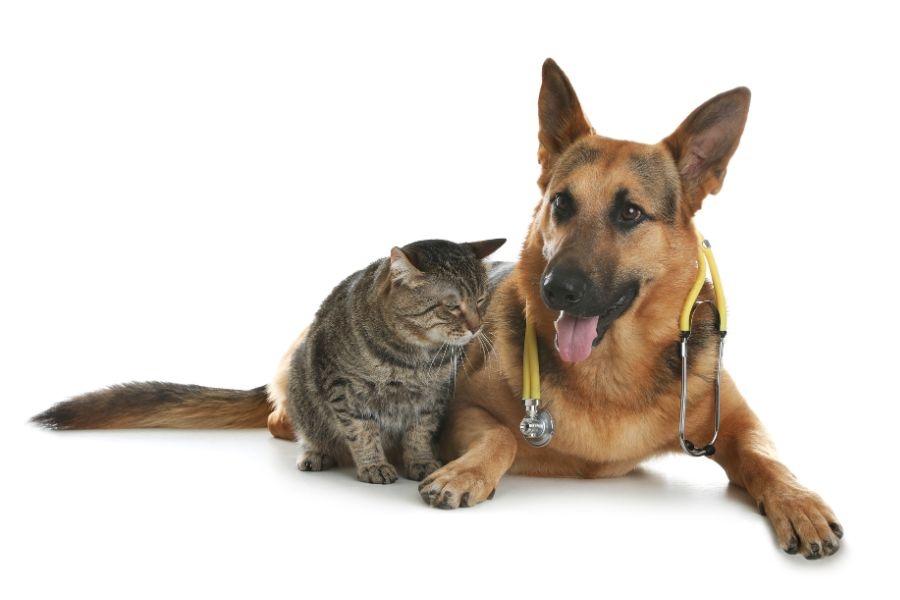
Pets have a special way of becoming part of the family, which is why any sudden change in their health can be concerning. While routine wellness visits help maintain long-term health, there are situations when a pet may need urgent care to address an unexpected illness or injury. Understanding when prompt veterinary attention is necessary can help pet owners make informed decisions and support better outcomes for their companions.
For pet owners in Wewoka, recognizing the difference between a minor issue and a condition that requires veterinary evaluation is an important part of responsible pet ownership. Acting quickly when a pet shows concerning signs can make a significant difference in their comfort, recovery, and overall well-being.
What Is Veterinary Urgent Care?
Veterinary urgent care focuses on medical conditions that require timely attention but may not necessarily be part of a routine appointment. These situations often involve sudden symptoms, injuries, or illnesses that should be evaluated as soon as possible to prevent complications.
Examples may include:
- Persistent vomiting or diarrhea
- Limping or difficulty walking
- Sudden loss of appetite
- Eye irritation or discharge
- Minor wounds or cuts
- Allergic reactions
- Changes in breathing patterns
- Signs of discomfort or pain
Prompt assessment allows veterinary professionals to identify the cause of the issue and recommend appropriate treatment before the condition worsens.
Signs Your Pet May Need Prompt Medical Attention
Pets cannot communicate their discomfort verbally, so owners must pay attention to changes in behavior and physical condition.
Unusual Lethargy
Most pets have consistent energy levels. If your dog or cat suddenly becomes unusually tired, uninterested in activities, or reluctant to move, it may indicate an underlying health concern.
While occasional rest is normal, prolonged lethargy should never be ignored.
Ongoing Digestive Upset
Occasional stomach upset can happen, but repeated vomiting, diarrhea, or a refusal to eat may signal a more serious issue.
Digestive problems can lead to dehydration and other complications if left untreated, making timely evaluation important.
Difficulty Breathing
Changes in breathing should always be taken seriously. Labored breathing, excessive panting when not exercising, wheezing, or unusual respiratory sounds may indicate a medical concern that requires immediate assessment.
Sudden Behavioral Changes
Pets often show signs of illness through behavior changes before physical symptoms become obvious.
Watch for:
- Increased hiding
- Aggression or irritability
- Excessive vocalization
- Restlessness
- Unusual clinginess
These changes may indicate pain, discomfort, or illness that warrants veterinary attention.
Common Situations That Often Require Urgent Care
Many everyday situations can result in pets needing prompt veterinary evaluation.
Minor Injuries
Active pets can experience cuts, scrapes, or soft tissue injuries while playing or exploring outdoors. Even injuries that appear small can sometimes become infected or lead to mobility issues if not properly assessed.
Foreign Object Ingestion
Dogs and cats are naturally curious. Household items, toys, clothing, and certain foods may be swallowed accidentally.
Signs of ingestion may include:
- Drooling
- Vomiting
- Abdominal discomfort
- Loss of appetite
- Difficulty passing stool
Quick veterinary attention can help prevent complications.
Eye Problems
Eye issues often progress quickly. Redness, swelling, squinting, or excessive tearing should be evaluated promptly to protect your pet’s vision and comfort.
Allergic Reactions
Some pets react to insect bites, environmental triggers, plants, or foods. Swelling, itching, hives, or facial puffiness can indicate an allergic reaction that may require professional treatment.
How Urgent Care Supports Better Outcomes
Seeking veterinary care promptly allows potential problems to be identified early.
Benefits include:
- Faster diagnosis
- Earlier treatment initiation
- Reduced discomfort
- Lower risk of complications
- Improved recovery potential
The goal of urgent care is to address concerns before they become more difficult to manage. Veterinary teams can perform physical examinations, diagnostic testing, imaging, and other evaluations to determine the most appropriate course of action.
Preventing Common Health Concerns
While not every situation can be prevented, proactive care can reduce certain risks.
Maintain Routine Wellness Visits
Regular examinations help monitor your pet’s health and identify concerns before symptoms become severe.
Supervise Outdoor Activities
Outdoor adventures can expose pets to hazards such as sharp objects, toxic plants, and wildlife encounters. Monitoring outdoor play can help minimize injuries.
Keep Hazardous Items Out of Reach
Store medications, cleaning products, human foods, and small household objects securely to reduce the risk of accidental ingestion.
Monitor Changes Closely
Early detection is often one of the most valuable tools pet owners have. If something seems unusual, it is generally better to seek guidance sooner rather than later.
When to Contact Your Veterinarian
Sometimes pet owners hesitate because they are unsure whether a symptom is serious enough to warrant veterinary attention.
Consider contacting your veterinary team if your pet experiences:
- Persistent digestive issues
- Sudden limping
- Unexplained swelling
- Difficulty breathing
- Significant changes in behavior
- Signs of pain or discomfort
- Eye irritation
- Unusual weakness
Trusting your instincts as a pet owner can be valuable. You know your pet’s normal behavior better than anyone else.
For families in Wewoka, having access to professional veterinary guidance can provide peace of mind when unexpected health concerns arise.
Supporting Your Pet Through Recovery
After treatment, following veterinary recommendations is essential for successful recovery. This may include medication administration, activity restrictions, dietary adjustments, or follow-up appointments.
Providing a quiet, comfortable environment can help pets recover more smoothly. Monitoring symptoms closely and communicating with your veterinary team if changes occur can also support better outcomes.
A proactive approach to pet health often leads to improved comfort, faster recovery, and a better quality of life for your furry companion.
Schedule Your Pet’s Visit Today
When unexpected health concerns arise, professional veterinary guidance can make all the difference. The caring team at Wewoka Animal Hospital is committed to helping pets receive the attention they need when it matters most. Schedule an online appointment today to ensure your pet receives prompt, compassionate care.
Call our team at 405-257-6167 to discuss your pet’s condition and learn about available appointment options.
Frequently Asked Questions
Q1. How do I know if my pet needs urgent care or a routine appointment?
If your pet develops sudden symptoms such as vomiting, breathing changes, limping, eye irritation, or unusual behavior, prompt evaluation is often recommended. Routine appointments are generally appropriate for wellness care and non-urgent concerns that have remained stable over time.
Q2. Can cats require urgent care even if they stay indoors?
Yes. Indoor cats can develop health concerns such as urinary issues, digestive problems, injuries from falls, or sudden illnesses. Because cats often hide signs of discomfort, any noticeable behavior change should be taken seriously.
Q3. What should I bring to an urgent veterinary visit?
Bring any medical records you have available, a list of medications your pet takes, and details about symptoms you have observed. Photos or videos of unusual behavior can also help veterinary professionals better understand the situation.
Q4. How quickly should I seek veterinary attention after noticing symptoms?
The timing depends on the severity of symptoms. Sudden breathing changes, ongoing vomiting, significant pain, or severe lethargy should be addressed as soon as possible. When in doubt, contacting your veterinary team is a good first step.
Q5. Can urgent care help prevent more serious health issues?
In many cases, yes. Prompt evaluation allows veterinary professionals to identify problems early, begin treatment sooner, and reduce the likelihood of complications that may develop if conditions go untreated.