Trusted Veterinary Care for Your Large Animals & Farm Calls!


Pets bring joy, companionship, and unconditional love to our lives. As pet owners, we want them to stay healthy for as long as possible. However, many health conditions develop quietly and may not show visible symptoms until they become more advanced. This is why pet diagnostic care plays such an important role in preventive veterinary medicine. Through routine testing and advanced diagnostic tools, veterinarians can identify hidden health concerns early, helping pets receive appropriate care before problems become more serious.
For pet owners in Wewoka, understanding the value of early diagnostic testing can make a significant difference in a pet’s long-term health and quality of life.
Why Hidden Illnesses Are Difficult to Detect
Unlike humans, pets cannot explain when something feels wrong. Many animals instinctively hide signs of discomfort or illness, a behavior inherited from their wild ancestors. As a result, serious health conditions can progress unnoticed.
Some diseases may develop gradually without obvious symptoms, including:
- Kidney disease
- Liver disorders
- Heart conditions
- Hormonal imbalances
- Diabetes
- Certain infections
- Chronic inflammatory diseases
By the time visible signs appear, treatment may become more complicated. Early detection through routine wellness testing helps uncover these issues before they significantly impact a pet’s health.
The Importance of Pet Diagnostic Care in Preventive Medicine
Preventive healthcare focuses on identifying potential problems before they become major concerns. Pet Diagnostic Care is a key part of this approach because it provides valuable information about a pet’s internal health.
Diagnostic testing helps veterinarians:
- Establish baseline health measurements
- Monitor changes over time
- Detect developing diseases
- Evaluate organ function
- Guide treatment recommendations
- Improve long-term health outcomes
When combined with regular physical examinations, diagnostic testing creates a more complete picture of a pet’s overall wellness.
Common Diagnostic Tests Used for Early Detection
Modern veterinary medicine offers several diagnostic tools that help uncover hidden illnesses.
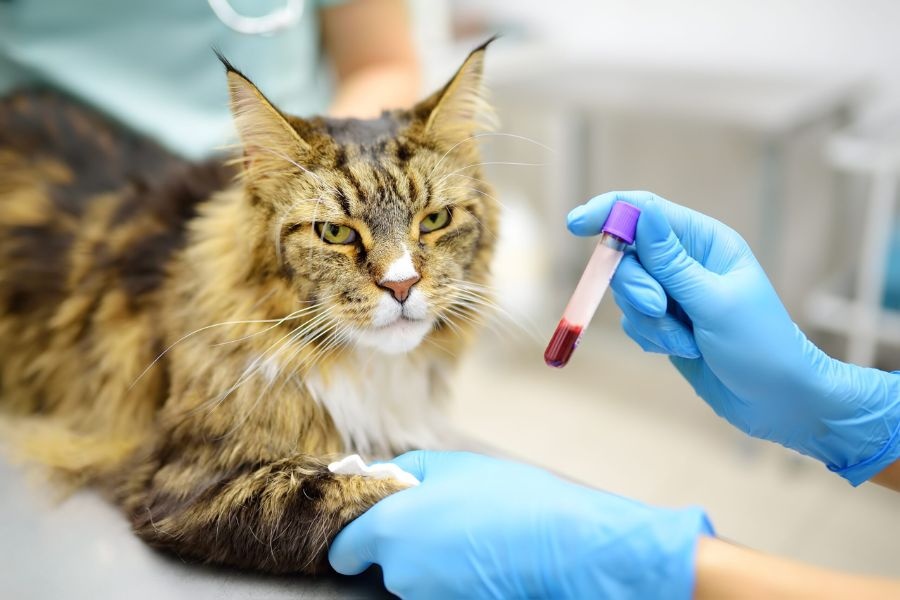
Blood Testing
Blood work is one of the most valuable screening tools available. It can provide insight into:
- Kidney function
- Liver health
- Blood sugar levels
- Thyroid activity
- Red and white blood cell counts
- Signs of inflammation or infection
Routine blood testing often reveals abnormalities before clinical symptoms develop.
Urinalysis
Urine testing provides additional information that complements blood work. Veterinarians use urinalysis to assess:
- Kidney performance
- Urinary tract health
- Hydration status
- Glucose levels
- Protein abnormalities
Together, blood and urine testing help identify many common diseases in their earliest stages.
Fecal Testing
Digestive health is an important part of overall wellness. Fecal examinations help identify intestinal parasites and other gastrointestinal concerns that may affect a pet’s comfort and health.
Diagnostic Imaging
Imaging technology allows veterinarians to see inside the body without invasive procedures.
Common imaging tools include:
- Digital radiography (X-rays)
- Ultrasound examinations
- Advanced imaging techniques when needed
These tools help evaluate organs, bones, joints, and soft tissues while providing valuable diagnostic information.
How Pet Diagnostic Care Supports Earlier Treatment
One of the greatest advantages of pet diagnostic care is the ability to identify diseases before they progress.
Early detection often allows veterinarians to:
- Begin treatment sooner
- Monitor conditions more effectively
- Reduce disease progression
- Improve comfort and quality of life
- Support better long-term outcomes
Many chronic conditions can be managed more successfully when diagnosed during their early stages.
For pet families, routine diagnostic screenings provide an opportunity to stay ahead of potential health concerns rather than reacting after symptoms become severe.
The Value of Baseline Health Testing
Every pet has unique health characteristics. Establishing baseline laboratory values while a pet is healthy provides an important reference point for future evaluations.
When veterinarians compare new results with previous records, they can identify subtle changes that may indicate developing problems.
Baseline testing is particularly beneficial for:
- Adult pets
- Senior pets
- Pets with chronic conditions
- Breeds predisposed to inherited diseases
This proactive approach helps veterinarians detect health changes that might otherwise go unnoticed.
Senior Pets Benefit From More Frequent Monitoring
As pets age, the risk of developing chronic illnesses increases. Unfortunately, many age-related conditions progress silently.
Regular diagnostic testing helps monitor aging pets for conditions such as:
Kidney Disease
Kidney disease is common in older pets and often develops gradually. Early detection allows veterinarians to implement management strategies that help support kidney function.
Heart Disease
Heart-related conditions may not cause noticeable symptoms during their initial stages. Diagnostic testing can reveal important changes before significant complications occur.
Hormonal Disorders
Conditions involving the thyroid gland or other hormonal systems can affect energy levels, weight, and overall health. Routine screenings help identify these issues early.
Arthritis and Chronic Inflammation
Diagnostic evaluations can help assess underlying causes of discomfort and support more effective long-term management plans.
Signs That May Indicate Diagnostic Testing Is Needed
Although wellness testing is recommended even for healthy pets, certain changes may indicate the need for additional diagnostic evaluation.
Watch for signs such as:
- Reduced appetite
- Increased thirst
- Unexplained weight changes
- Lethargy
- Digestive upset
- Changes in urination habits
- Persistent coughing
- Mobility difficulties
Even mild symptoms can sometimes point to underlying medical conditions that deserve attention.
Advances in Veterinary Diagnostic Technology
Today’s veterinary facilities have access to advanced technologies that improve accuracy and efficiency.
Modern diagnostic tools offer:
- Faster test results
- Improved image quality
- Enhanced disease detection
- Better monitoring capabilities
- More personalized treatment planning
These advancements help veterinary teams make informed decisions while minimizing stress for pets.
For pet owners, access to advanced diagnostics means more precise evaluations and greater confidence in healthcare recommendations.
Building a Long-Term Wellness Strategy
Preventive care works best when diagnostic testing is incorporated into a comprehensive wellness plan.
A strong preventive healthcare program may include:
- Routine wellness examinations
- Laboratory screening
- Diagnostic imaging when appropriate
- Nutritional assessments
- Weight management support
- Ongoing health monitoring
By combining these elements, veterinarians can identify concerns earlier and provide personalized care throughout every stage of a pet’s life.
If you are from Wewoka and looking for pet diagnostic care, regular wellness screenings can play a vital role in detecting hidden illnesses before they affect your pet’s quality of life.
Early detection allows for more informed healthcare decisions, helping pets enjoy healthier and more comfortable lives for years to come.
At many veterinary practices, advanced diagnostic testing has become one of the most effective tools for protecting long-term pet health. By identifying concerns before symptoms become obvious, veterinarians can create treatment plans tailored to each pet’s individual needs.
Schedule Your Pet’s Wellness Appointment
At Wewoka Animal Hospital, we believe proactive healthcare is one of the most valuable investments you can make in your pet’s future. Our team provides comprehensive diagnostic evaluations designed to support early disease detection and personalized care. Schedule an online appointment today to help your pet stay healthy at every stage of life.
Frequently Asked Questions
Q1. How often should my pet receive diagnostic testing?
The frequency depends on your pet’s age, breed, lifestyle, and medical history. Many healthy adult pets benefit from annual testing, while senior pets may require more frequent monitoring. Your veterinarian can recommend an appropriate schedule based on your pet’s individual needs.
Q2. Can diagnostic tests find problems even when my pet seems healthy?
Yes. Many illnesses develop internally long before visible symptoms appear. Routine screening tests can identify early changes in organ function, blood chemistry, or other health indicators, allowing veterinarians to address concerns before they become more advanced.
Q3. Are diagnostic procedures safe for pets?
Most routine diagnostic procedures are minimally invasive and considered very safe. Blood tests, urine analysis, fecal testing, and diagnostic imaging are commonly performed and provide valuable information with minimal discomfort for pets.
Q4. What age should pets begin routine wellness screening?
Baseline testing is often recommended during adulthood to establish normal health values. Regular screening becomes increasingly important as pets enter their senior years, although veterinarians may suggest testing earlier depending on breed or health history.
Q5. Why is early disease detection so important?
Early detection allows veterinarians to intervene before diseases progress significantly. Earlier treatment often improves management options, supports better quality of life, and may help reduce the long-term impact of chronic health conditions.